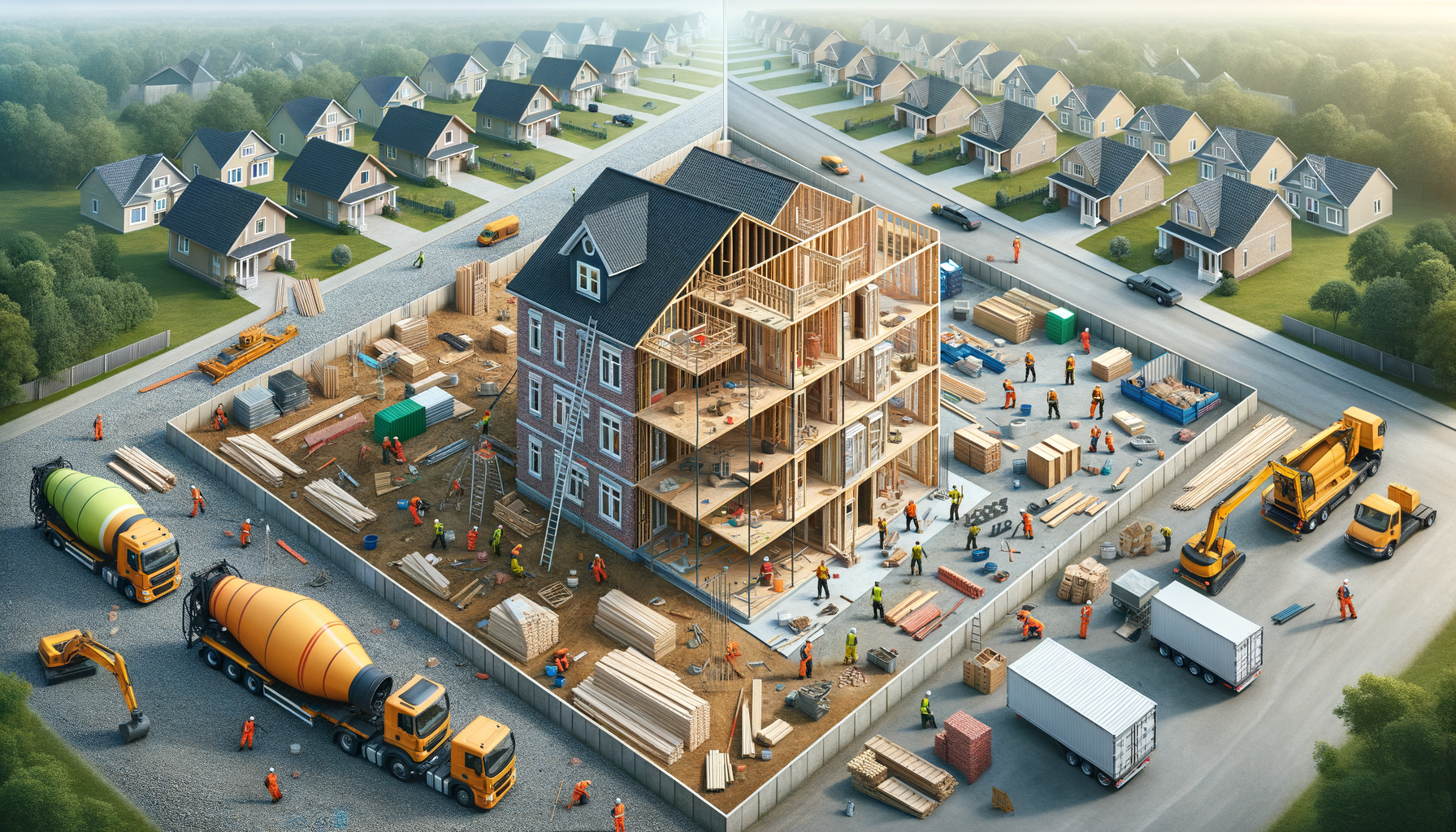
Understanding Site-Built Homes
Site-built homes are the traditional method of constructing residential buildings directly on the chosen location. This approach has been the cornerstone of homebuilding for decades, offering a range of customization and adaptability to various terrains.
Construction Process
The process of building a site-built home typically involves several key steps:
- Planning and Design: Architects and homeowners collaborate to create detailed blueprints tailored to specific needs.
- Foundation: A solid foundation is laid to ensure the stability and longevity of the structure.
- Framing: The skeletal framework of the house is constructed, outlining the layout and structure.
- Utilities Installation: Electrical, plumbing, and HVAC systems are integrated into the framework.
- Finishing: Interior and exterior finishes are applied, including flooring, painting, and landscaping.
Advantages of Site-Built Homes
- Customization: Flexibility in design and materials to match personal tastes.
- Quality Control: Direct oversight of the construction process ensures high standards.
- Value Appreciation: Well-built homes often increase in value over time.
Challenges Faced
Despite their benefits, site-built homes come with certain challenges:
- Time-Consuming: The construction process can be lengthy compared to modular alternatives.
- Weather Dependent: Adverse weather conditions can delay progress.
- Higher Costs: Custom builds may require a larger budget due to personalized features.
Building a site-built home allows for complete personalization, ensuring that every detail meets the homeowner’s vision.
Conclusion
Site-built homes remain a popular choice for many due to their flexibility and potential for high-quality construction. By understanding the process and weighing the pros and cons, homeowners can make informed decisions that best suit their needs and lifestyle.