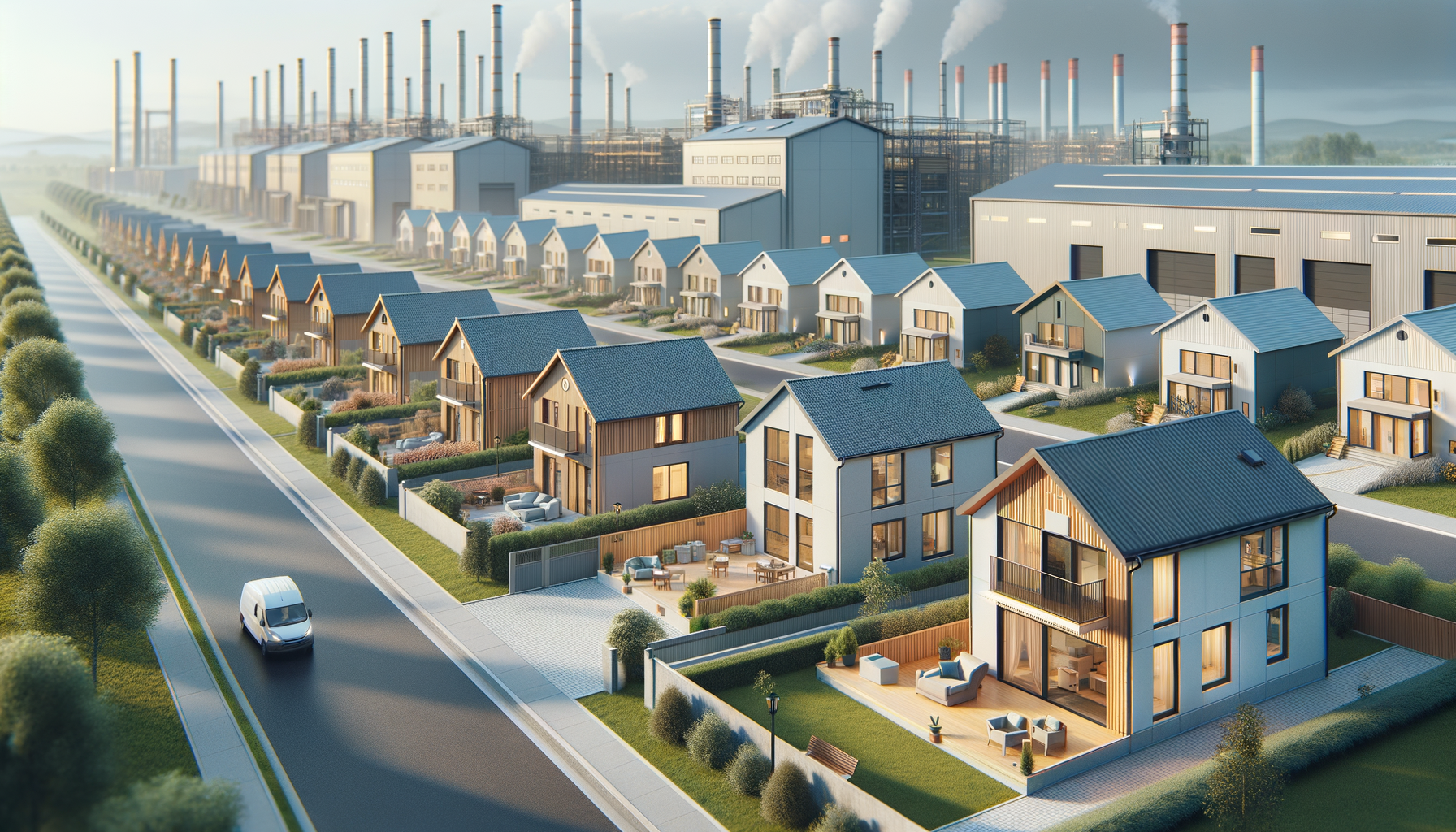
Understanding Prefabricated Homes
Prefabricated homes, often referred to as prefab homes, have revolutionized the way people approach home building. These structures are manufactured off-site in controlled factory settings before being transported and assembled at the final location. This innovative approach offers numerous advantages over traditional construction methods.
Benefits of Prefab Homes
- Cost-Effective: Prefab homes typically cost less than conventional homes due to streamlined manufacturing processes and reduced labor expenses.
- Time-Efficient: Building in a factory setting allows for simultaneous site preparation and home construction, significantly cutting down the overall timeline.
- Quality Control: Factory conditions ensure consistent quality and adherence to building standards, minimizing defects and ensuring durability.
- Eco-Friendly: Prefab construction often results in less waste and more sustainable building practices.
Types of Prefabricated Homes
- Modular Homes: Built in sections or modules, these homes are transported to the site and assembled on a permanent foundation.
- Panelized Homes: These feature wall panels, floors, and roof trusses that are constructed in a factory and then assembled on-site.
- Manufactured Homes: Often referred to as mobile homes, these are built entirely in a factory and transported in one or more sections.
- Kit Homes: These come as a set of pre-cut materials and instructions, allowing homeowners to assemble the home themselves.
“Prefab homes are a testament to innovation in the housing industry, offering sustainable and efficient living solutions.”
The Prefab Home Building Process
The process of building a prefab home involves several key steps:
- Design: Homeowners choose from a variety of designs or work with architects to create a custom plan.
- Manufacturing: Components are produced in a factory setting, ensuring precision and quality control.
- Transportation: The completed sections are transported to the building site.
- Assembly: The modules or panels are assembled on-site, connected to utilities, and finished with interior and exterior details.
Cost Considerations
While prefab homes can be more affordable than traditional homes, costs can vary based on factors such as size, design complexity, and location. It’s essential to consider:
- Initial Purchase: The base price of the home.
- Transportation Fees: Costs associated with moving components to the site.
- Foundation: Preparing the site and laying a foundation.
- Finishing Touches: Interior and exterior finishes, fixtures, and landscaping.
Final Thoughts
Prefabricated homes present a viable alternative to traditional construction, offering flexibility, efficiency, and a commitment to quality. Whether you’re looking to build quickly, save on costs, or embrace sustainable living, prefab homes are worth considering.