Blog - Page 18 of 219 - BuyOrSellYourHome.com

Blog

Created with Sketch.

Sealing the Deal: How to Time Your Home Closing for Maximum Advantage

Scheduling your home purchase at the tail end of the month can lower buyers’ upfront interest charges while reducing sellers’ prorated costs. This overview explains how different closing dates affect fees, payment timing, and the overall process for both parties, helping you identify the optimal date for your situation.

Take Your Mortgage With You: How Portable Mortgages Make Moving Easier

A portable mortgage allows homeowners to carry over their existing interest rate and loan conditions when buying a different property. This feature can simplify moving by preserving favorable terms, especially for those locked into low rates. We’ll break down how portability operates, outline which buyers stand to gain the most, and explain why federal regulators are examining this option—even though it doesn’t solve the larger affordability crunch.

Slash Your Homebuying Fees: Insider Tips to Waive Your Closing Costs

Closing fees can substantially increase the cost of buying a home. Fortunately, there are practical strategies you can use to reduce or even eliminate them. From negotiating with your lender or seller to choosing loan programs that offer credits, here are six realistic ways to lower your out-of-pocket expenses at closing.

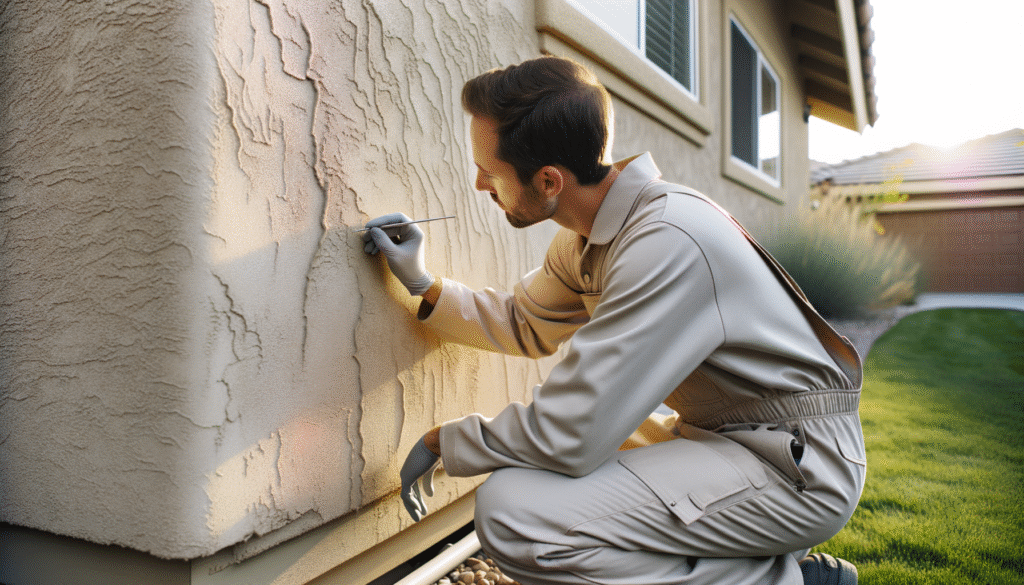
Stucco Sense: Your Homeowner’s Guide to Spotting and Fixing Stucco Problems

Stucco provides a long-lasting, attractive finish but can trap moisture in some climates. Having a professional check for hidden damage early on lets you address problems before they turn into costly repairs.

Streamline Your Mortgage Journey: Essential Documents for Pre-Approval

Find out which records to have on hand for mortgage pre-approval—pay stubs, tax returns, bank statements and debt statements—and get practical pointers for organizing your paperwork efficiently to keep the process moving smoothly.

Move-In Ready Homes Demystified: A Homebuyer’s Essential Guide

When a property is described as move-in ready, the phrase can cover a range of conditions depending on who’s selling and what improvements have been made. It generally indicates that major systems and living spaces are in good working order and don’t require immediate repair. However, it doesn’t promise perfection—cosmetic updates, minor maintenance or specific warranty coverage may still be needed. Before making an offer, review inspection reports, confirm that heating, cooling, plumbing and electrical systems are sound, and walk through each room to ensure it meets your standards for safety, functionality and comfort.

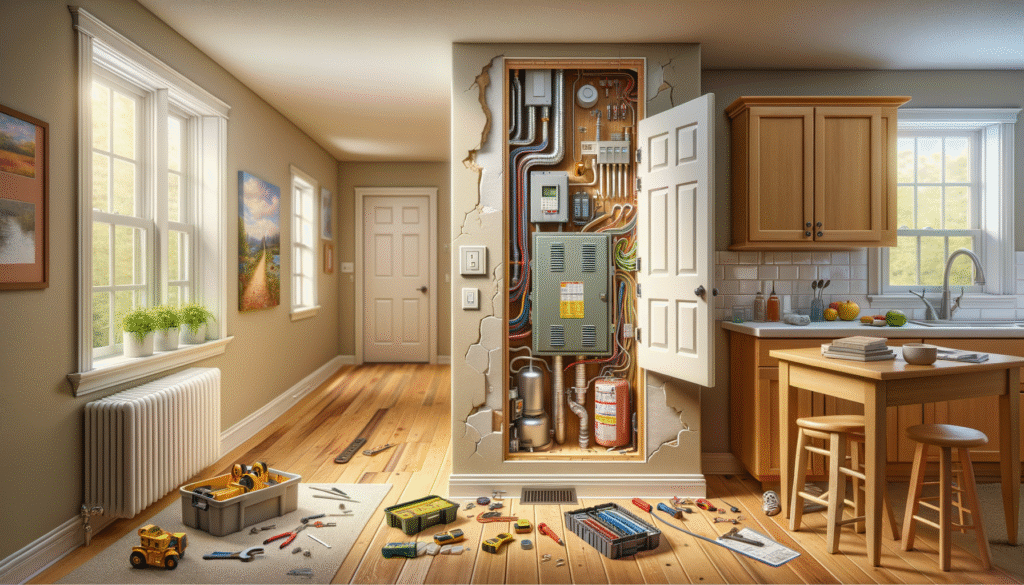
Sell with Confidence: Your Step-by-Step Home Inspection Prep Guide

Preparing your home for an inspection before putting it on the market hinges on three key steps: ensure all major systems—heating, cooling, plumbing and electrical—are easy to reach; tackle minor repairs that reveal ongoing maintenance; and clear pathways so the inspector can move about safely and work efficiently. Investing a bit of effort now will help the inspection truly showcase your home’s condition.

Prepare to Impress: A Seller’s Guide to Home Inspection Success

Getting your home inspection-ready before listing is all about three key steps: ensure easy access to each major system, tackle minor but noticeable repair tasks, and clear and secure the space so an inspector can move around safely and work efficiently. A little advance effort in these areas goes a long way toward a smoother inspection and a more accurate report of your home’s condition.

Top FHA Inspection Deal-Breakers and How to Avoid Them

To qualify for an FHA mortgage, a home must satisfy basic safety, structural, and habitability requirements. Even minor flaws uncovered during the appraisal inspection can delay or block loan approval.

Riding Washington’s Rising Tide: Flood Impacts and Real Estate Resilience

Severe flooding has struck Skagit, Whatcom, Snohomish and King counties in Washington, upending daily life for many residents. This comprehensive guide gathers essential safety tips, details on recovery and financial assistance programs, emergency housing options, and practical ways you can support neighbors impacted by the floods.