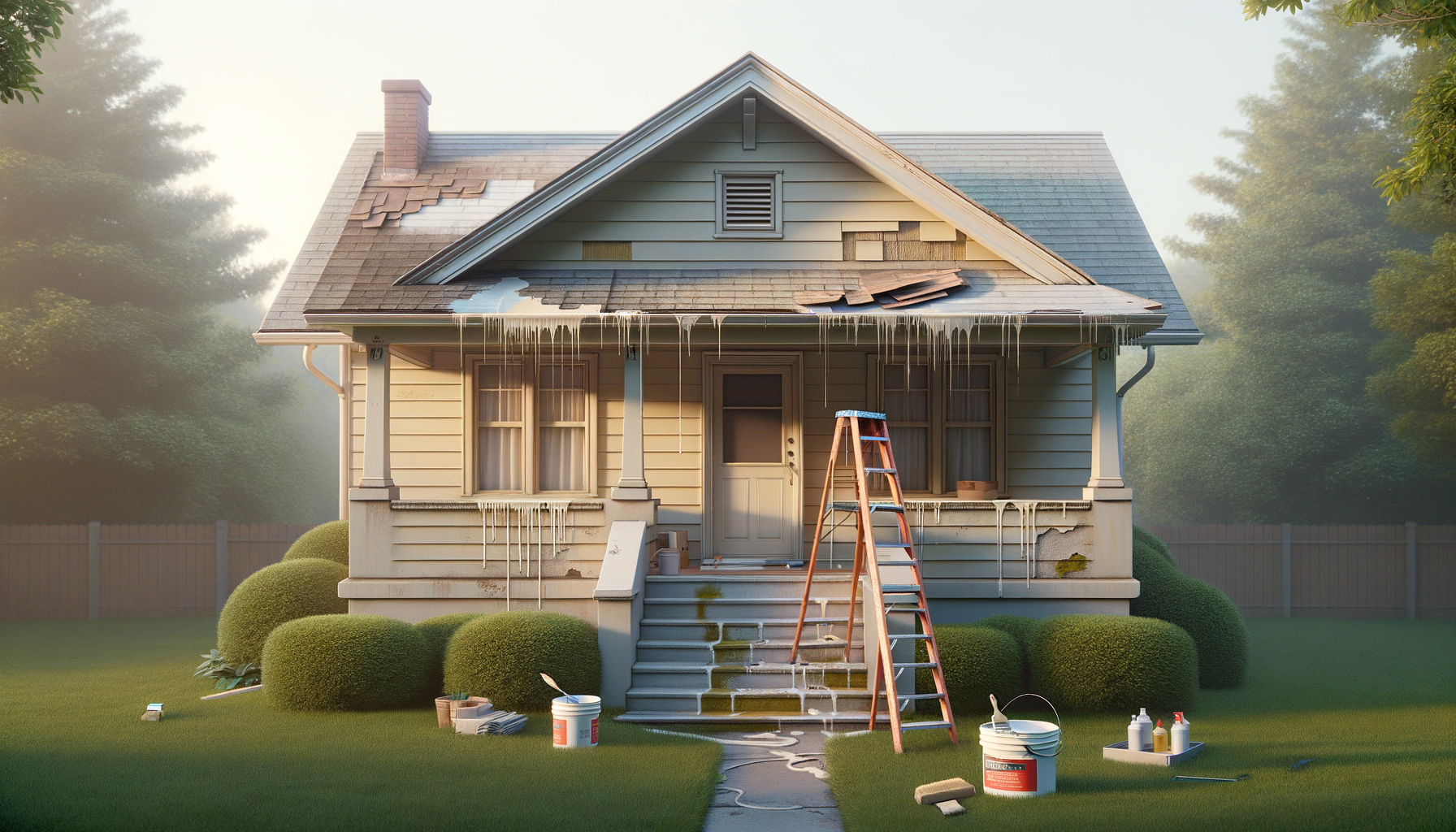
Navigating FHA Inspection Requirements
Securing an FHA-backed mortgage means your new home must meet specific safety and habitability standards. Understanding common hurdles can help you pass the FHA inspection the first time.
Whether you’re a first-time buyer or seasoned investor, reviewing HUD’s Minimum Property Requirements (HUD Handbook 4000.1) can save you time and money. FHA inspections focus on safety, soundness, and security — so any defect that threatens these may lead to a denial.
Major Deficiency Categories
- Safety Hazards: Exposed wiring, missing railings, or unstable staircases.
- Roof & Drainage: Missing shingles, active leaks, or blocked gutters.
- Structural Integrity: Cracked foundations, sagging floors, or damaged beams.
- Plumbing & HVAC: Leaks, low water pressure, or broken heating systems.
- Lead-Based Paint: Deteriorated surfaces in homes built before 1978 must comply with EPA regulations.
Fact: Nearly 30% of homes fail FHA inspections on the first attempt due to maintenance oversights.
Tackling Minor Flaws
- Paint & Surfaces: Remove peeling paint and repair cracks; address any lead hazards.
- Electrical Safety: Install GFCI outlets in kitchens, baths, and garages.
- Windows & Doors: Ensure smooth operation and replace broken panes or hardware.
- Smoke & CO Alarms: Test batteries and confirm placement meets local codes.
- Ventilation: Verify exhaust fans work properly to prevent moisture buildup.
Reminder: FHA requires homes to be structurally sound, weatherproof, and free from health risks.
Steps to Inspection Success
- Review HUD guidelines for each repair and material.
- Hire licensed professionals for electrical, plumbing, or structural work.
- Keep records of permits, invoices, and warranties.
- Schedule a mock inspection to uncover lingering issues.
- Confirm your lender’s addendum to HUD standards.
By methodically addressing these items, you’ll boost your home’s safety, comfort, and curb appeal—and sail through the FHA inspection on your first try!