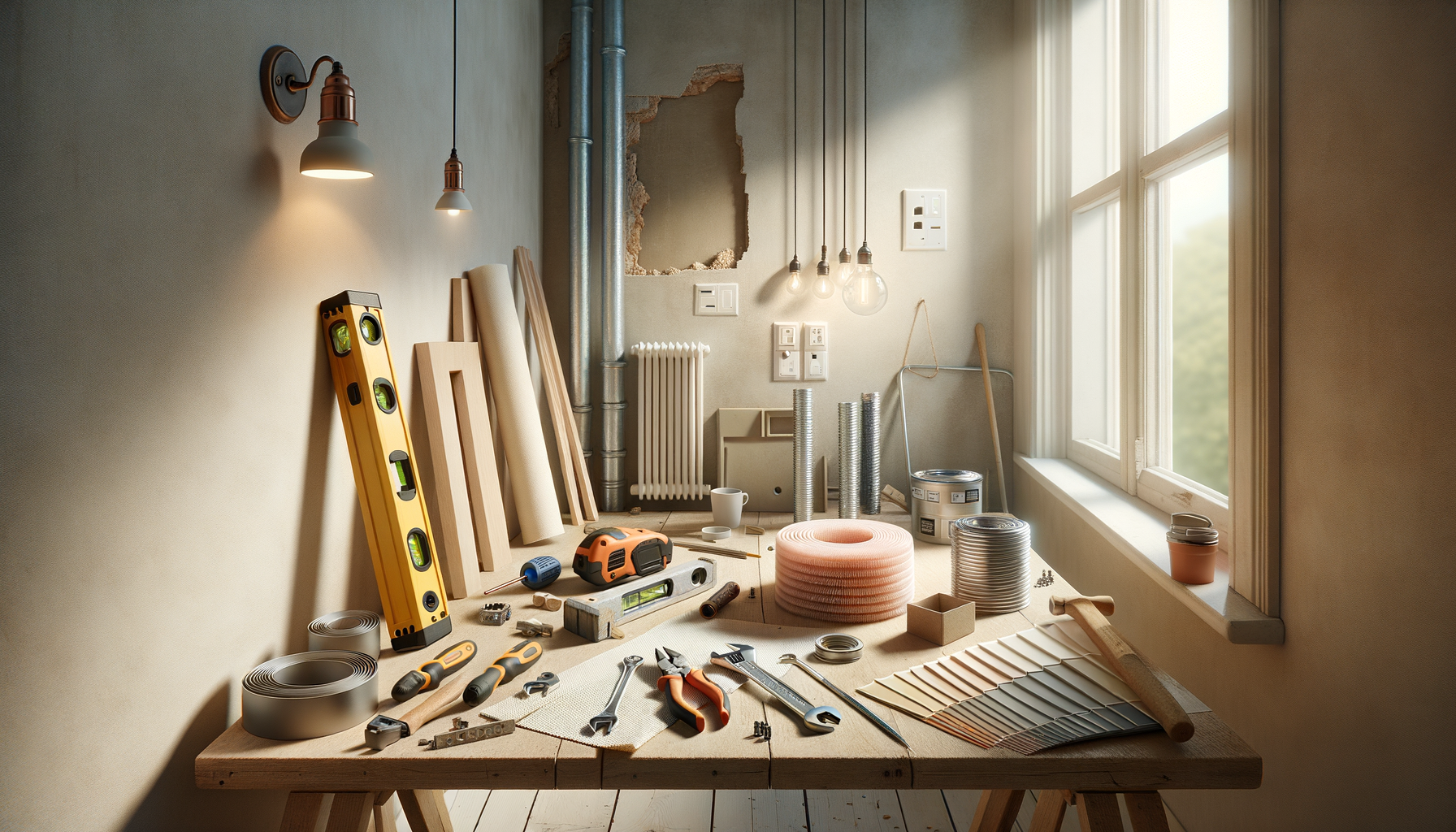
Evaluating Your Home’s Needs
Every house has its own story—and its own list of fixes and updates waiting in the wings. To get started:
- Inspect critical systems: Check plumbing, electrical panels, roofing, and HVAC first.
- Identify safety concerns: Look for mold, pest damage, loose railings, or faulty wiring.
- Assess daily comfort: Consider drafty windows, outdated insulation, or noisy pipes.
Key Takeaway: Tackling safety and structural issues before cosmetic work ensures you’re not putting lipstick on a leaky pipe.
Room-by-Room Focus
Break down projects by each space to stay organized and avoid overwhelm.
Kitchen
- Appliances: Upgrade to energy-efficient models to lower utility bills.
- Countertops: Evaluate lifespan and maintenance needs.
- Cabinetry: Refinish rather than replace when possible.
Bathroom
- Water fixtures: Swap to low-flow toilets and showerheads.
- Ventilation: Ensure mold prevention with proper fans.
- Tile & grout: Reseal or regrout to extend longevity.
“On average, homeowners recoup 70% of a bathroom remodel’s cost at sale.”
Budgeting and ROI
Smart budgeting means focusing on improvements that add value, both for enjoyment and resale.
- Set a clear budget: Allocate 10–15% of your home’s value.
- Get multiple bids: Compare contractors and material costs.
- Expect contingencies: Reserve 10% extra for unexpected issues.
Quick Tips:
- Use reclaimed or surplus materials to save money.
- Consider DIY for painting, minor demolition, and finishing touches.
- Prioritize energy-efficient upgrades—often eligible for rebates.
Pro Insight: A well-timed small upgrade can boost listing visibility by up to 20%.
Maintaining Momentum
Set realistic timelines and chunk your project into manageable phases. Celebrate small wins—whether it’s a freshly sealed deck or a sparkling new sink—to keep the excitement alive.
Remember: Prioritizing what matters most will make your renovation journey smoother, more cost-effective, and more rewarding.