Understanding the Home Inspection Process
A home inspection is a thorough evaluation of a property’s condition. It’s your best chance to identify hidden issues before closing. To make the most of this step, you’ll want to be proactive, organized, and well-prepared.
Pre-Inspection Checklist
- Address minor repairs: Fix leaky faucets, secure handrails, fill cracks.
- Test safety devices: Ensure smoke and CO detectors are operational.
- Replace bulbs: Swap out any burned-out light bulbs in every room.
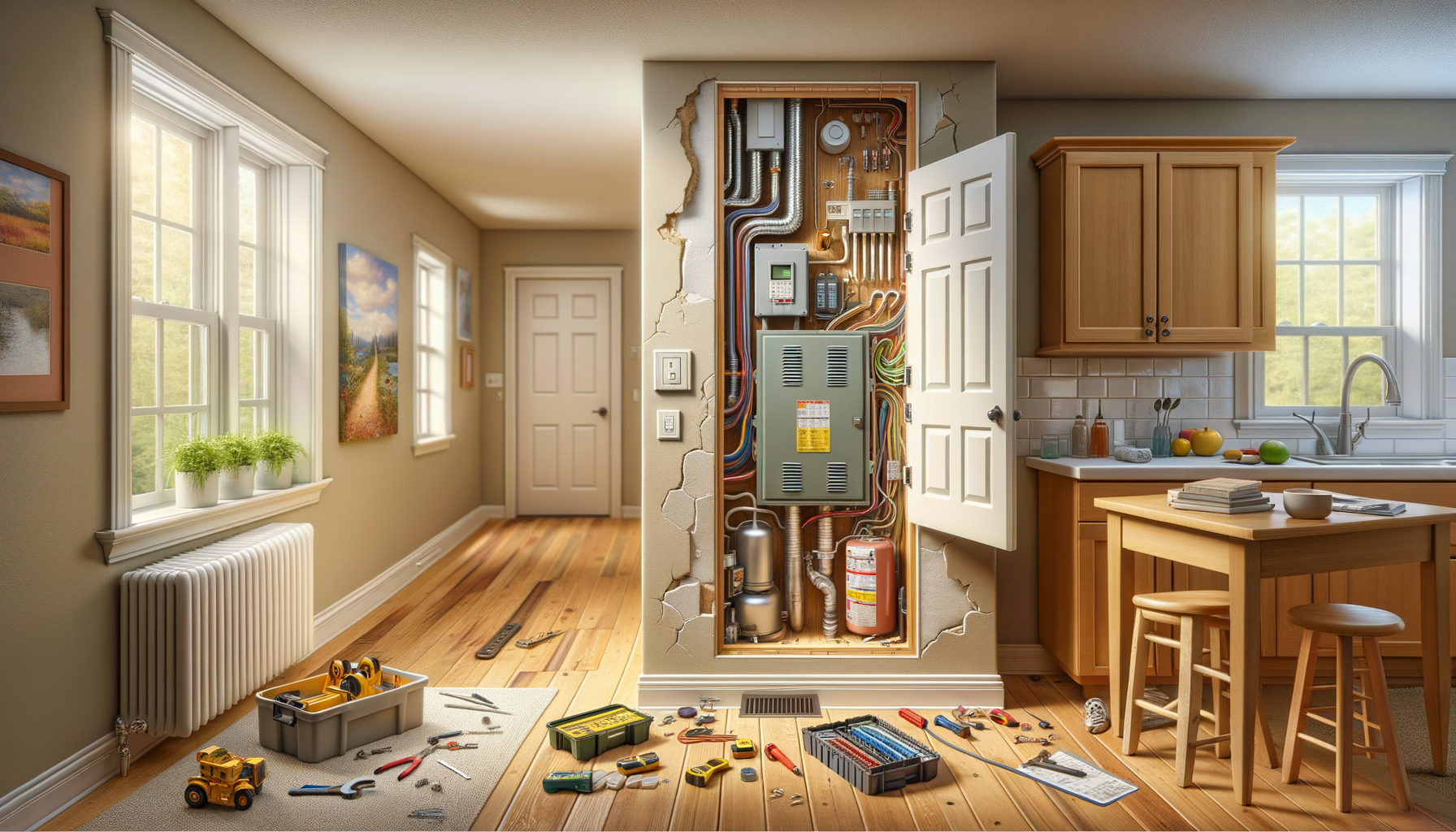
- Clear access: Remove clutter around electrical panels, HVAC systems, and crawl spaces.
- Gather paperwork: Collect warranties, service records, and renovation receipts.
Key takeaway: A little upkeep now can prevent big surprises later and help maintain your negotiating power.
Essential Repairs & Routine Checks
- Inspect roof for loose shingles or damaged flashing.
- Clear gutters and downspouts.
- Trim back shrubs that touch the house.
- Verify plumbing drains freely and has good water pressure.
- Check for visible mold or mildew in basements and bathrooms.
“Proper preparation can reduce costly repair requests by up to 70%,” industry studies show.
Day-of Inspection Tips
Professional Tip: Be on-site to answer questions, but avoid hovering. Give the inspector room to work.
- Turn on all utilities and pilot lights.
- Unlock gates, garage doors, and service panels.
- Provide a friendly welcome and any additional documentation.
Statistic: Nearly 90% of inspections uncover at least one repair item.
Wrapping Up
Taking these steps can streamline your inspection and keep the sale on track. A well-prepared home not only speeds up closing but gives buyers confidence in their investment.