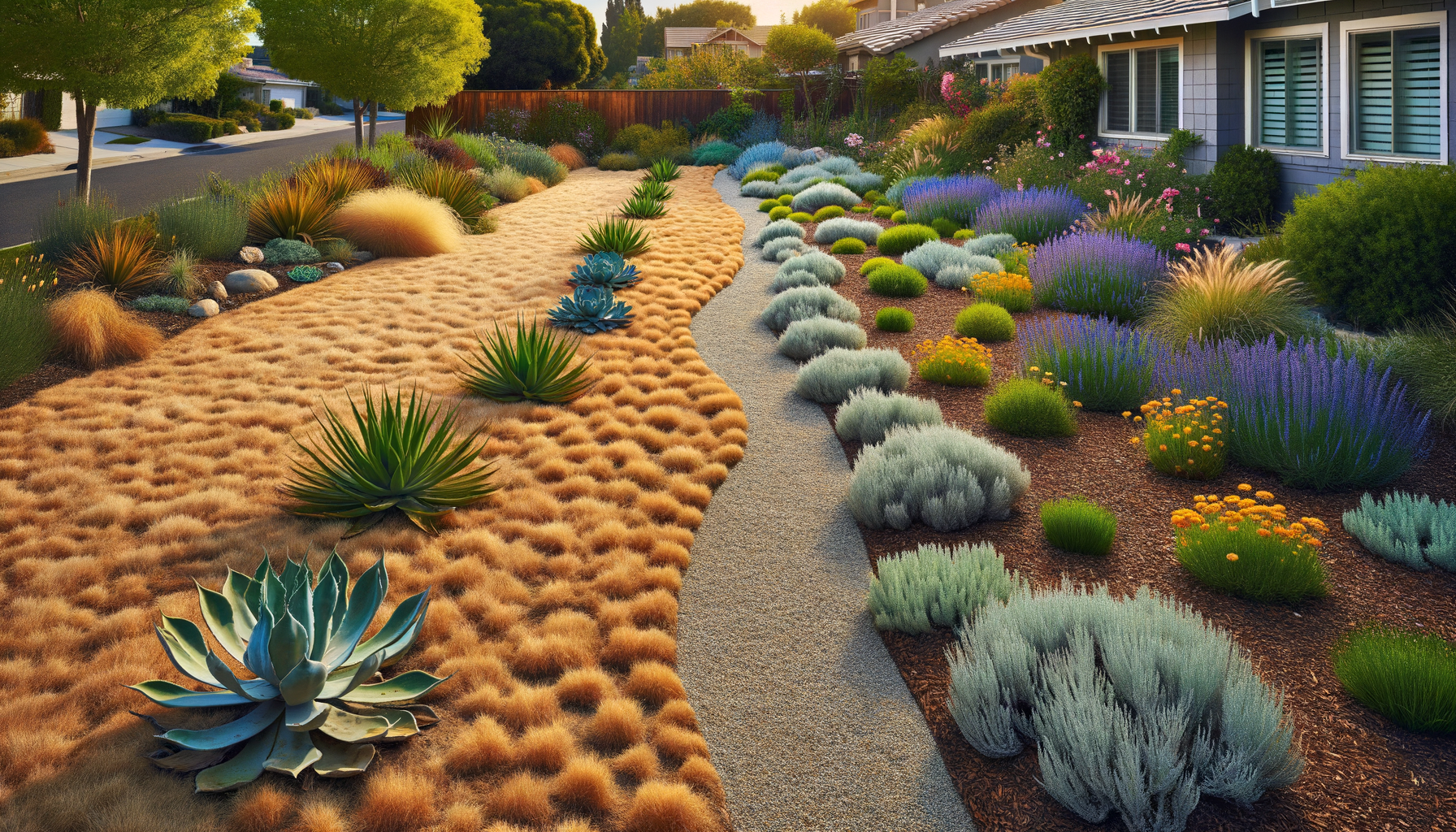
Boost Your Curb Appeal with Water-Wise Landscaping
Transforming your front yard into a stunning, low-maintenance oasis doesn’t have to drain your wallet—or your water supply. By choosing drought-tolerant plants and smart design strategies, you can create a thriving landscape that looks gorgeous year-round.
Why Go Drought-Tolerant?
- Conserve Resources: Use up to 50% less water than traditional lawns.
- Save Time: Enjoy more free weekends and less yard work.
- Boost Home Value: Attractive, sustainable gardens appeal to eco-conscious buyers.
Key Takeaway: A thoughtfully curated selection of native, drought-resistant species can reduce maintenance, cut water bills, and still deliver spectacular seasonal color.
Top Picks for a Resilient Front Yard
- Agave and Succulents: Architectural shapes that store water in fleshy leaves.
- Lavender: Fragrant spikes of purple that thrive in full sun.
- Salvia: Attracts pollinators with minimal moisture needs.
- Russian Sage: Airy plumes of lavender-blue that withstand heat.
- Yarrow: Flat-topped blooms in vibrant shades with good drought tolerance.
Planting Tips
- Amend soil with organic compost for improved texture.
- Use mulch to retain moisture and suppress weeds.
- Group plants by water requirement for efficient irrigation.
“Drought-tolerant gardens can use up to 80% less water and still flourish under harsh sun.”
Designing for Impact
Consider these layout strategies:
- Focal Points: Place a dramatic agave or ornamental grass near the walkway.
- Contrast: Mix textures—succulents with spiky forms and soft, feathery perennials.
- Pathways: Gravel or decomposed granite guides visitors and improves drainage.
Seasonal Color & Maintenance
- Deadhead spent blooms to encourage new growth.
- Prune woody shrubs in late winter for fresh spring foliage.
- Refill mulch annually to keep soil temperatures stable.
Final Thought: A low-water landscape is more than a trend—it’s a permanent upgrade that saves money, supports local ecology, and elevates your home’s curb appeal.