Understanding Radon Risks During a Home Inspection
When you’re evaluating a new property, there’s more than just the visual appeal to consider. Invisible threats like radon can lurk beneath the surface. This naturally occurring gas seeps up from soil cracks and can accumulate in enclosed spaces, posing serious health risks over time.
Why Testing Matters
Radon exposure is the second leading cause of lung cancer in many countries. It’s odorless, colorless, and tasteless—undetectable without proper equipment.
- EPA action level: 4.0 pCi/L
- Levels between 2.0 and 4.0 pCi/L still warrant attention
- Seasonal changes can affect readings
Step-by-Step Testing Process
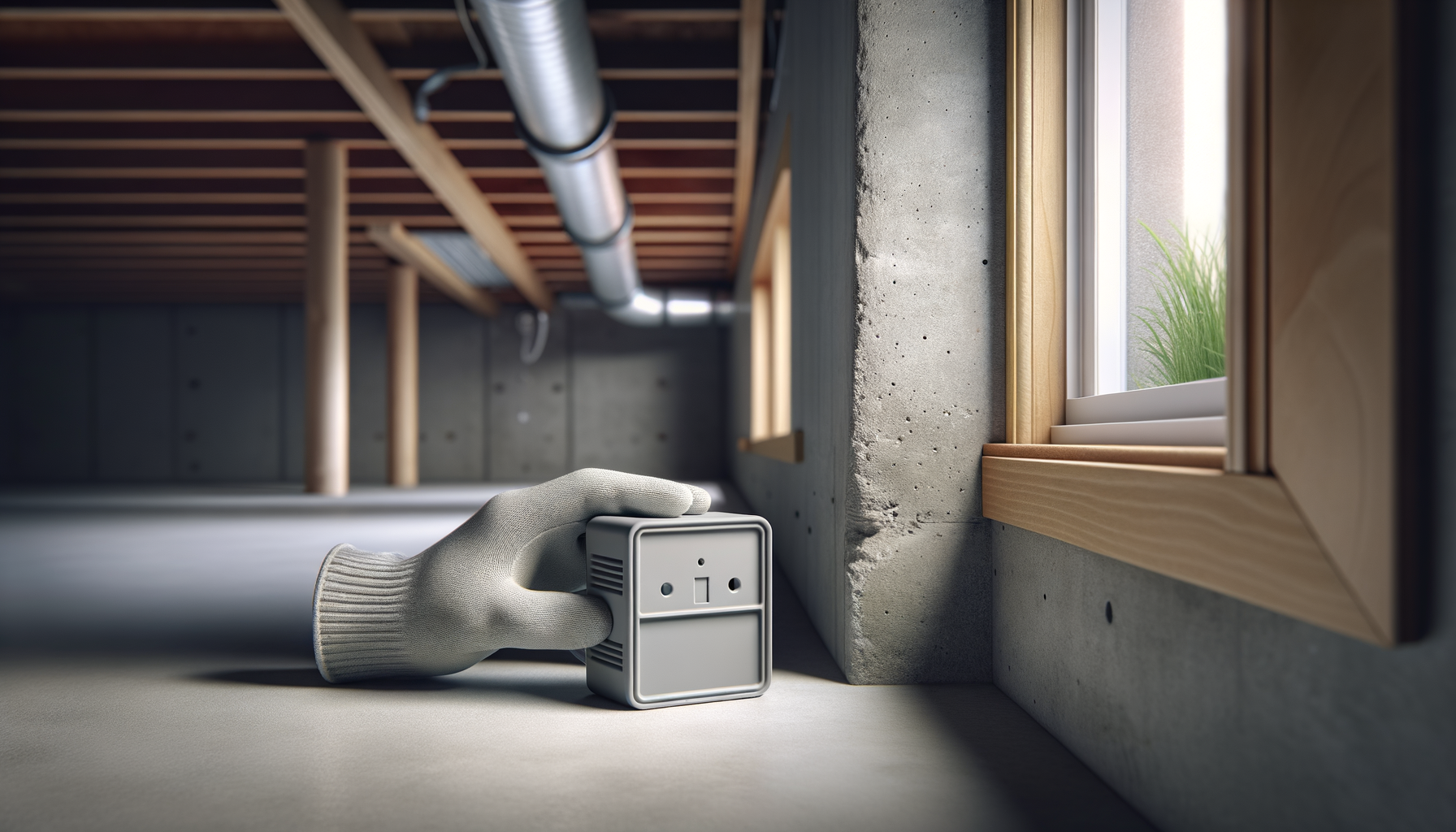
- Place a specialized radon detector in the lowest livable space for 48–72 hours.
- Seal openings: close windows and doors, avoid running fans.
- Collect the device and send it to a certified lab for analysis.
Stat: Short-term tests capture a snapshot, while longer tests (up to 90 days) offer more accuracy in variable climates.
Interpreting Results & Next Steps
Once you receive the lab report, compare your result to recommended action levels. If your reading exceeds 4.0 pCi/L, it’s time to mitigate:
- Sub-slab depressurization
- Sealing foundation cracks
- Improving ventilation
Costs typically range between $800 and $2,500 depending on foundation type. Investing in a professional installer can reduce radon levels by up to 99%.
Expert Tips for Homebuyers
- Ask for previous radon test reports if available.
- Include a radon contingency clause in your offer.
- Consider continuous radon monitors for ongoing safety.
“Protecting indoor air quality is as crucial as structural soundness when buying a home.”
Final Thoughts
Radon testing may feel like an extra step, but it safeguards your investment and your health. By incorporating a simple test into your inspection process, you can move forward with confidence, knowing you’ve left no stone—and no basement—unturned.