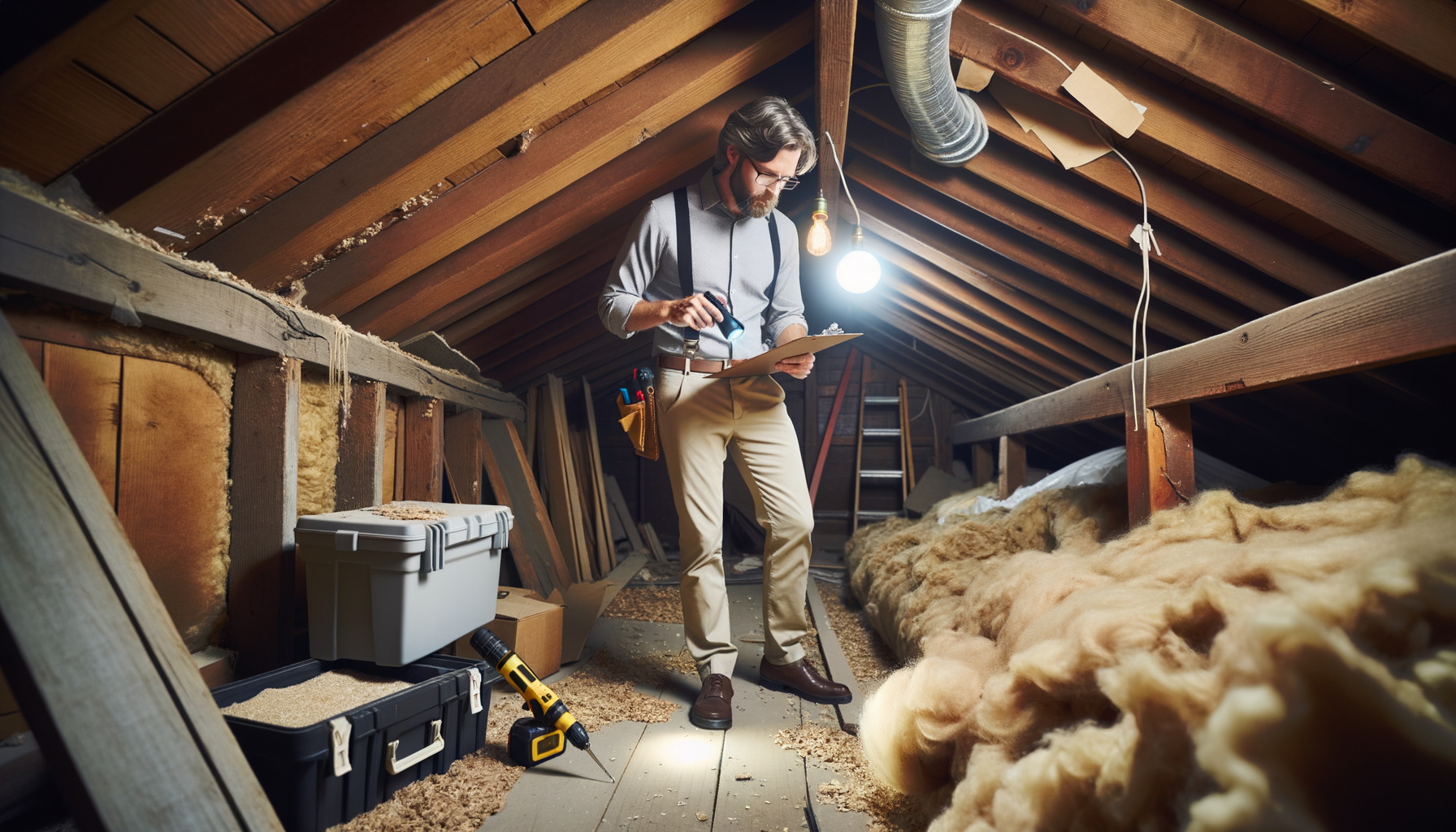
Understanding Asbestos in Home Inspections
Asbestos, once a popular building material, poses significant health risks if disturbed. During home inspections, identifying asbestos is crucial to ensure a safe living environment.
What is Asbestos?
Asbestos refers to a group of naturally occurring fibrous minerals known for their durability and heat resistance. Common types include:
- Chrysotile: Also known as white asbestos, it’s the most frequently used type.
- Amosite: Referred to as brown asbestos, commonly found in insulation.
- Crocidolite: Known as blue asbestos, often used in cement products.
Key Takeaway: Even materials that appear intact can contain asbestos fibers. Professional testing is essential.
Common Areas Where Asbestos May Be Found
- Insulation: Around pipes, boilers, and heaters.
- Floor Tiles: Especially older vinyl compositions.
- Roofing Materials: Shingles and felt.
- Textured Paints: Used for patching and decorative purposes before the 1980s.
Homes built before the 1980s are more likely to contain asbestos materials.
Steps to Inspect for Asbestos
- Identify Potential Sources: Look for materials known to contain asbestos.
- Visual Inspection: Check for wear and tear that may release fibers.
- Sampling: Hire a certified professional to collect samples safely.
- Laboratory Testing: Ensure samples are analyzed by accredited labs.
Safety Measures if Asbestos is Detected
- Encapsulation: Apply sealants to prevent fiber release.
- Enclosure: Isolate asbestos-containing materials from living areas.
- Removal: Have professionals safely remove and dispose of asbestos.
Important: Never attempt to remove asbestos yourself. Always consult licensed professionals.
Final Thoughts
Regular home inspections and awareness of asbestos locations are vital for maintaining a safe home. Taking proactive steps can prevent health hazards associated with asbestos exposure.