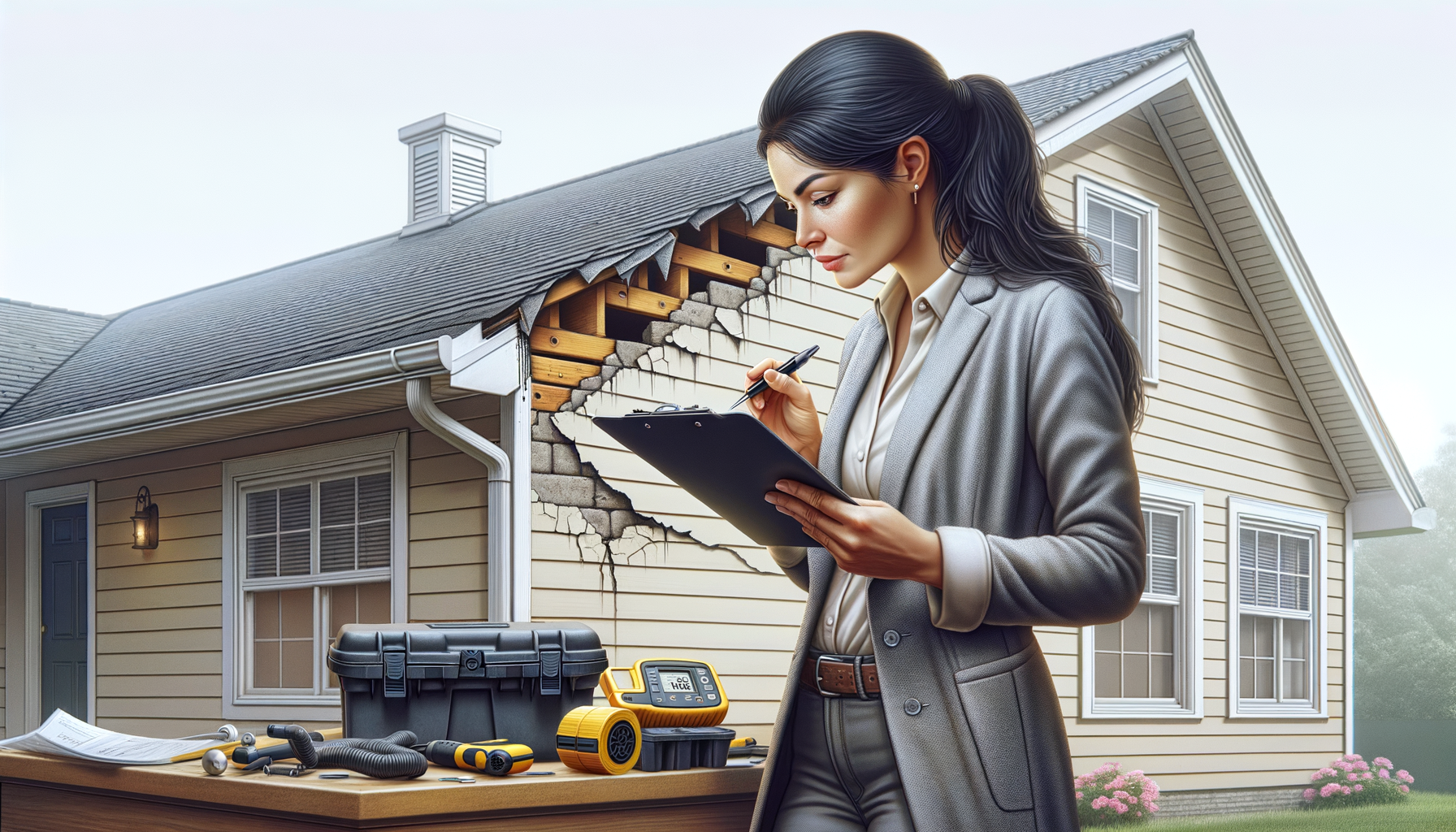
Understanding Home Inspection Red Flags
Buying a home is a significant investment, and a thorough inspection is crucial to ensure you’re making a sound decision. During the inspection process, certain issues may arise that signal potential problems. Recognizing these red flags can save you from future headaches and unexpected expenses.
Structural Concerns
- Cracks in Foundations: Visible cracks may indicate settling or more severe structural issues.
- Uneven Floors: Sloping or bouncy floors can be a sign of foundational problems.
- Roof Damage: Missing shingles or sagging roofs can lead to leaks and other water-related problems.
Electrical and Plumbing Issues
Electrical and plumbing systems are essential for a home’s functionality. Problems in these areas can pose safety hazards and lead to expensive repairs.
- Outdated Wiring: Old or faulty wiring increases the risk of electrical fires.
- Leaky Pipes: Persistent leaks can cause water damage and mold growth.
- Insufficient Electrical Capacity: An inadequate electrical system may not support modern appliances and devices.
“Upgrading electrical and plumbing systems can significantly enhance your home’s safety and efficiency.”
Signs of Water Damage
Water damage can lead to a host of problems, including structural deterioration and health issues due to mold.
- Stains on Walls or Ceilings: Discoloration may indicate leaks or poor ventilation.
- Mold or Mildew: Visible mold growth suggests ongoing moisture problems.
- Musty Odors: Persistent damp smells can be a sign of hidden water damage.
HVAC System Problems
The heating, ventilation, and air conditioning (HVAC) system plays a vital role in home comfort. Issues with the HVAC can lead to inefficient heating or cooling and increased energy bills.
- Older Systems: Aging HVAC units may be less efficient and more prone to breakdowns.
- Inconsistent Temperatures: Areas of the home that are too hot or too cold can indicate HVAC issues.
- Loud Noises: Unusual sounds during operation may signal mechanical problems.
Regular maintenance of your HVAC system can extend its lifespan and maintain energy efficiency.
Final Thoughts
Being aware of these home inspection red flags empowers you to make informed decisions. Always consider hiring a certified inspector and addressing any concerns before finalizing your home purchase.