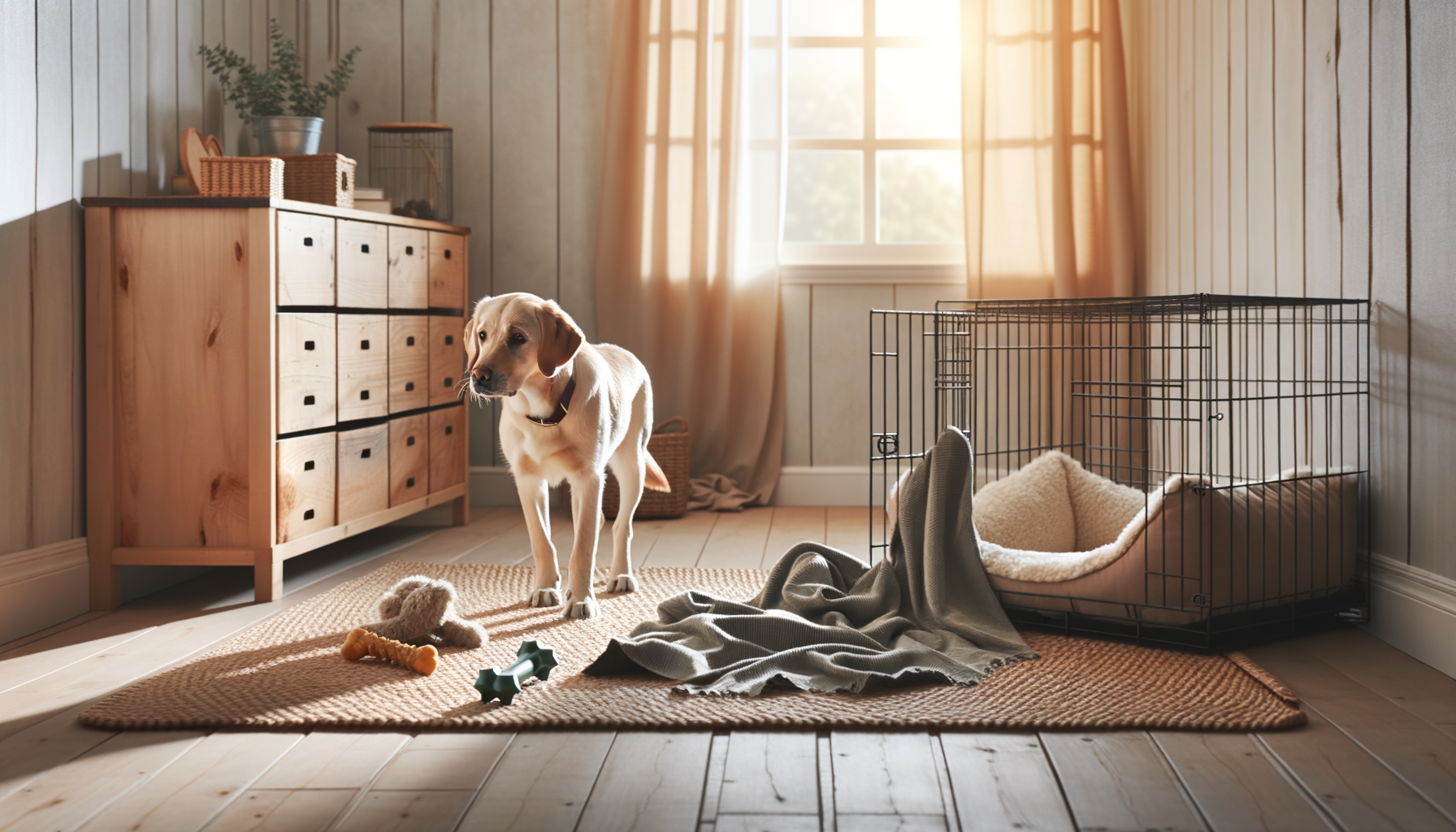
Welcoming Your Dog to Their New Home
Moving into a fresh space can be exciting for humans, but for dogs, it’s a whole new adventure—sometimes overwhelming. By planning thoughtfully, you’ll help your canine friend settle in with confidence.
1. Create a Comfort Zone
Before your dog arrives, designate a cozy corner filled with familiar items:
- Bed or crate: A favorite blanket or crate can feel like a safe castle.
- Chew toys: Keeps their mind busy during initial exploration.
- Scented objects: Include a worn T-shirt or towel carrying your dog’s old-home aroma.
Scent Familiarity
Dogs rely heavily on smell. Introducing familiar scents throughout your new home reduces anxiety and encourages exploration.
2. Establish Structure and Routine
Dogs thrive on predictability. A consistent schedule fosters security:
- Set regular meal times.
- Establish walk and play schedules.
- Stick to bedtime rituals.
“A routine isn’t just a timetable—it’s a comfort blanket for your dog’s mind.”
Tip:
Keep feeding area and water bowls in one spot to create a sense of territory and safety.
3. Gradual Exposure to the Entire Home
Allow your dog to explore one room at a time. Supervise closely and offer praise for calm behavior.
- Open one door every day or two.
- Encourage sniffing, then call them back for a treat.
- Repeat until the entire living space feels familiar.
Building Confidence
Each successful exploration builds your dog’s confidence. Always reward curiosity, never punish hesitation.
4. Meet Neighbors and New Sights
Introduce new stimuli slowly. If you live in an apartment complex:
- Walk hallways at quiet times first.
- Allow your dog to sniff doors and corners.
- Gradually increase exposure to busier periods.
Statistic: Dogs that explore calmly during their first week adjust 30% faster to new environments.
5. Patience and Positive Reinforcement
Every dog’s adjustment period is unique. Use gentle praise and tasty rewards to celebrate small victories.
Keep in mind: Stress signs like panting or pacing call for more breaks and reassurance.