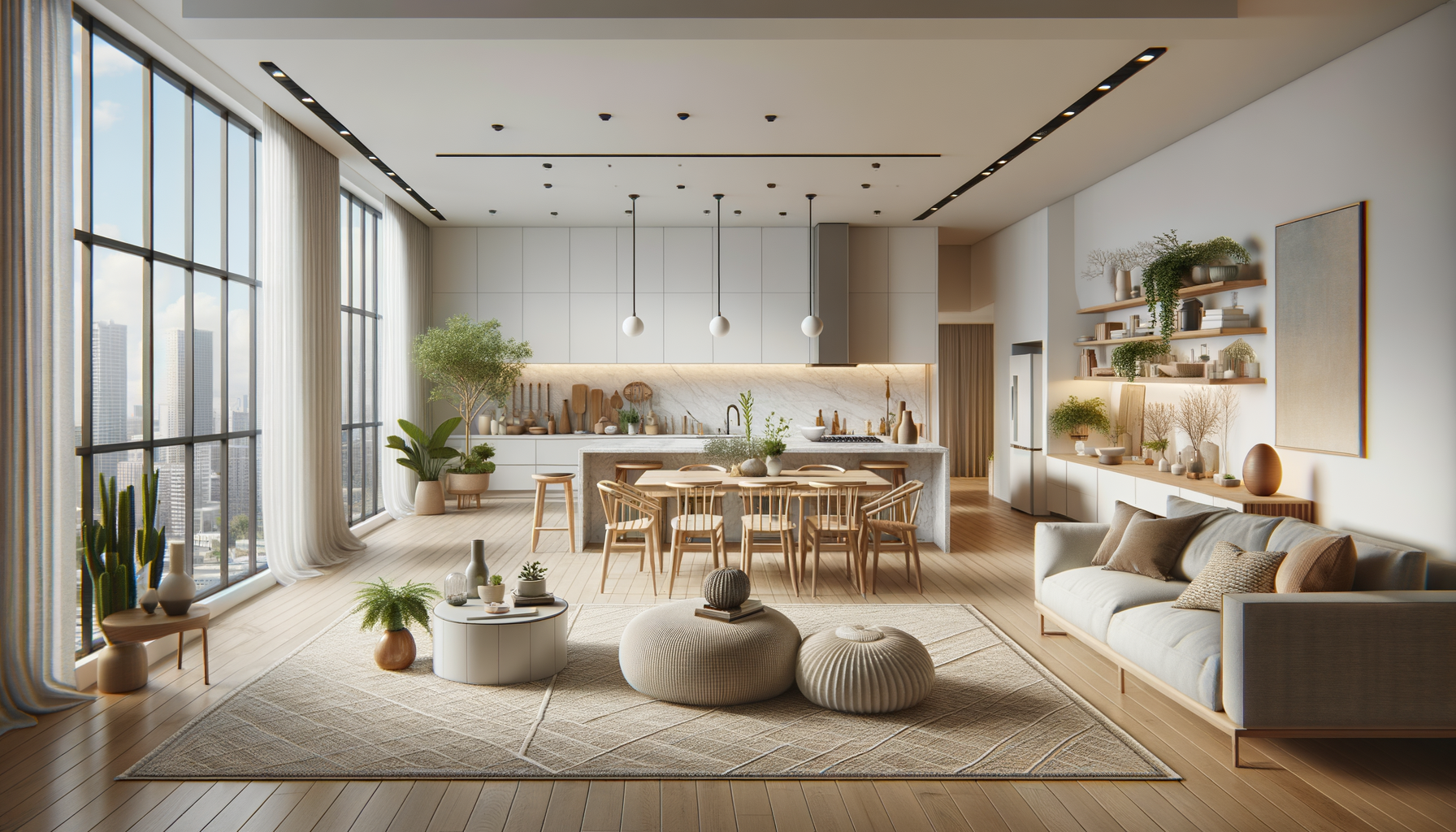
Understanding the Open Floor Plan
Modern homes often embrace open floor plans, merging living, dining and kitchen spaces into one expansive area. This layout fosters natural light, fluid movement and a sense of togetherness.
Major Advantages
- Enhanced Flow: Fewer barriers let people move freely.
- Natural Light: Large windows brighten connected rooms.
- Versatility: Furniture can be rearranged without wall constraints.
- Social Hub: Parents can watch kids while cooking or entertaining.
“An open concept can make a compact home feel twice its size.”
Potential Drawbacks
- Noise carries more easily without partitions.
- Less privacy for activities like reading or phone calls.
- Cooking aromas spread across the entire area.
Statistic: Homes with open layouts often command a 5–10% premium on resale value.
Design Tips for Success
1. Zoning With Rugs and Furniture
Use area rugs and strategically placed sofas to delineate living and dining spaces.
2. Consistent Color Palette
Stick to a harmonious scheme to unify the entire room.
3. Layered Lighting
Combine overhead fixtures, floor lamps and task lights to add depth.
Implementing an Open Layout
- Consult with an architect or designer to ensure structural integrity.
- Assess load-bearing walls before removal.
- Plan for plumbing and HVAC rerouting if needed.
- Select multipurpose furniture to maintain order.
Wrapping Up
Adopting an open floor plan transforms your home into a light-filled, interactive environment. By weighing pros and cons, planning zones and investing in versatile décor, you’ll achieve a space that’s both functional and inviting.