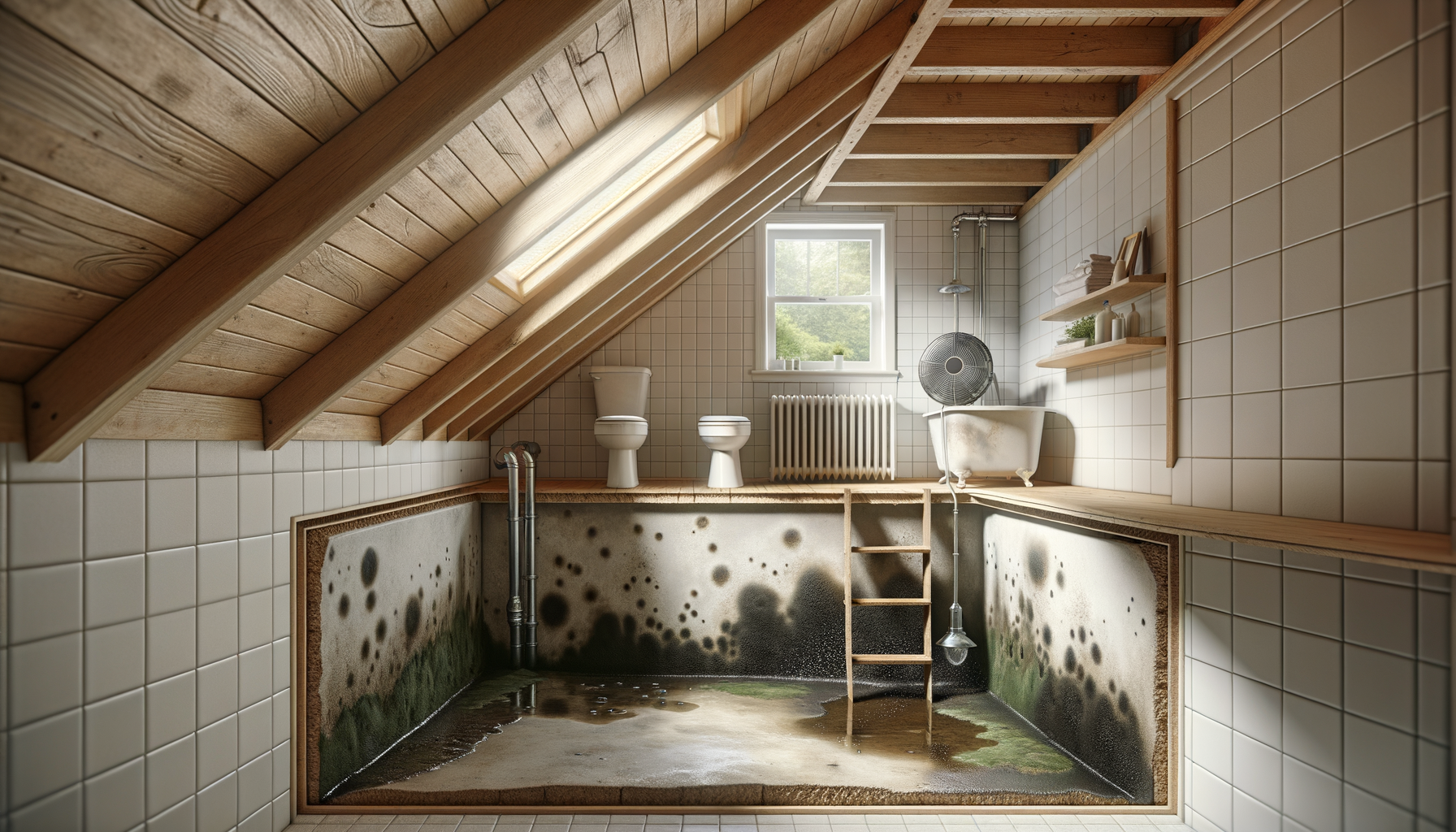
Mold can quietly invade many nooks of your home, thriving wherever moisture lingers. Understanding its preferred environments is the first step toward a healthier living space.
Where Mold Loves to Hidе
1. Bathrooms & Showers
- High humidity from hot water makes grout and corners prime targets.
- Poorly vented fans allow spores to settle on ceilings and tiles.
2. Basements & Crawlspaces
- Damp concrete walls and floors absorb water.
- Leaky pipes or foundation cracks create a hidden breeding ground.
3. Attics & Roof Spaces
- Condensation under poorly insulated roofs.
- Blocked vents trap moisture in rafters.
Key Takeaway: Controlling humidity below 50% and ensuring adequate ventilation cuts mold growth by over half.
“Up to 50% of indoor air quality complaints stem from mold found in hidden spaces.”—Indoor Air Research
Materials Most at Risk
- Wood framing and drywall
- Carpets and upholstery
- Insulation batts
- Ceiling tiles and acoustic panels
Preventive Steps
- Inspect for leaks around windows, pipes, and roof.
- Use exhaust fans and dehumidifiers.
- Clean and repair gutters regularly.
- Maintain HVAC systems with routine filter changes.
Pro Tips:
- Install a hygrometer to monitor indoor humidity.
- Seal cracks in foundation and around plumbing.
- Choose mold-resistant building materials.
**Regular checks and swift action keep mold from becoming an expensive problem.**
By knowing the spots where mold most often takes hold and following targeted prevention tactics, you can protect your home and health from unseen fungal threats.