Understanding Lead Paint Inspections
Lead paint, common in homes built before 1978, poses serious health risks—especially to young children and pregnant women. A proper inspection helps you identify hazards, comply with regulations, and protect your loved ones.
Why You Need an Inspection
- Health Protection: Prevent lead poisoning symptoms like developmental delays and behavioral issues.
- Legal Compliance: Meet federal and local rules before renovations or property sales.
- Long-Term Savings: Avoid costly remediation by catching problems early.
Who Should Conduct the Inspection?
- EPA-certified lead paint inspectors or risk assessors
- State-licensed professionals (requirements vary by region)
- Specialized contractors trained in lead-safe work practices
“Children under six are most vulnerable; even low levels can cause irreversible damage.”
Inspection Methods Explained
1. Visual Survey
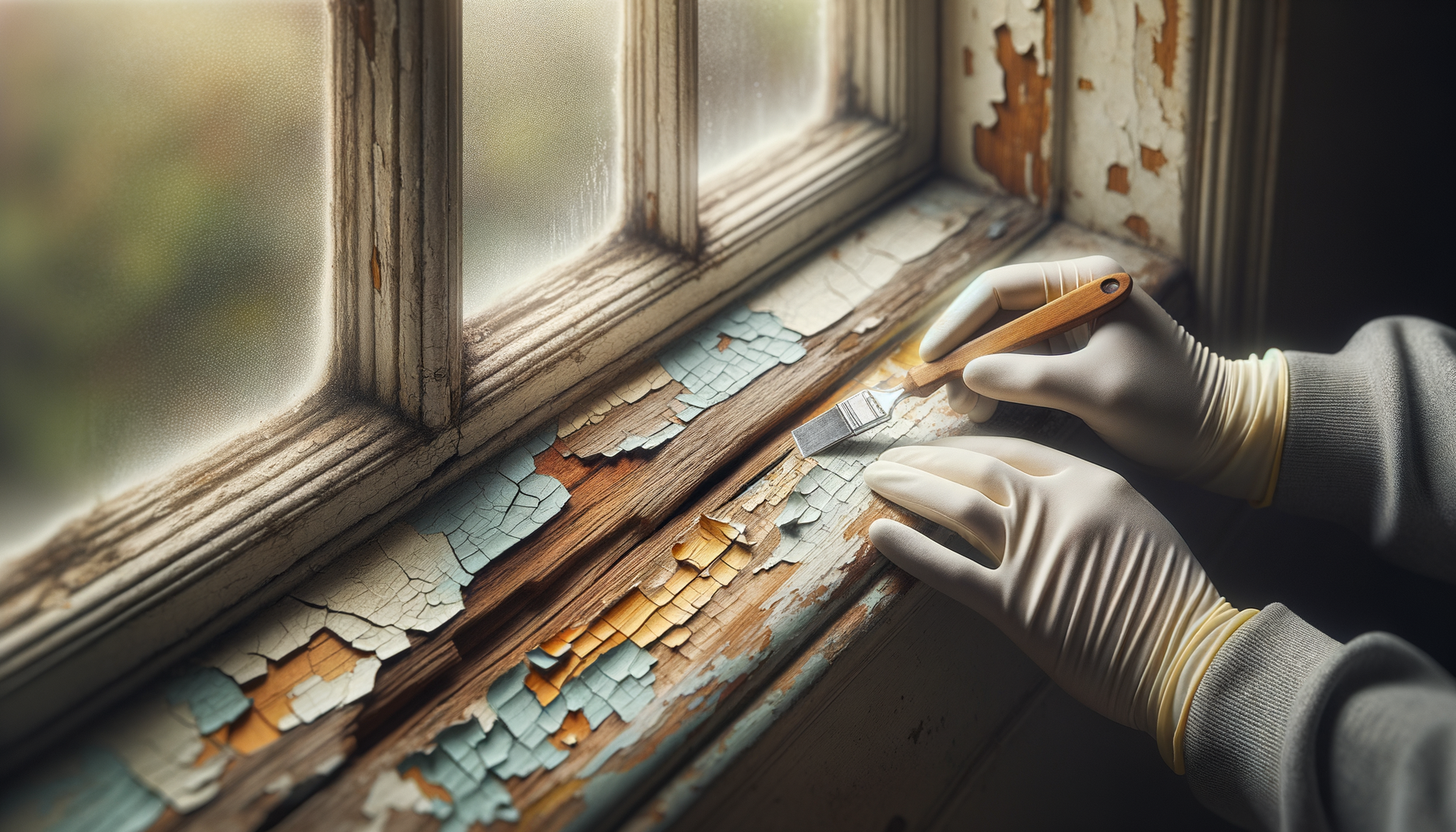
Inspectors look for peeling, chipping, or damaged paint layers. They note friction points like windows and doors where paint often deteriorates.
2. Paint Sampling
Technicians collect small paint chips or dust wipe samples. These are sent to EPA-accredited labs to measure lead content.
3. XRF Analysis
A handheld X-ray fluorescence device instantly detects lead in multiple surfaces—walls, trim, plaster, and more.
After the Inspection
Inspection results guide you toward the appropriate response:
- No Lead Detected: Keep records and monitor paint condition annually.
- Low-Level Contamination: Use encapsulation or paint replacement in targeted areas.
- High-Level Hazards: Hire licensed abatement contractors to remove or enclose lead paint.
Maintenance & Monitoring
- Clean high-dust zones weekly with HEPA vacuum or wet mopping.
- Inspect painted surfaces annually for wear or damage.
- Educate household members on lead-safe habits.
Statistic: Homes with lead-safe certificates sell 15% faster and often command higher prices.
Investing in a thorough lead paint inspection not only safeguards your health but also adds value and peace of mind to your property.