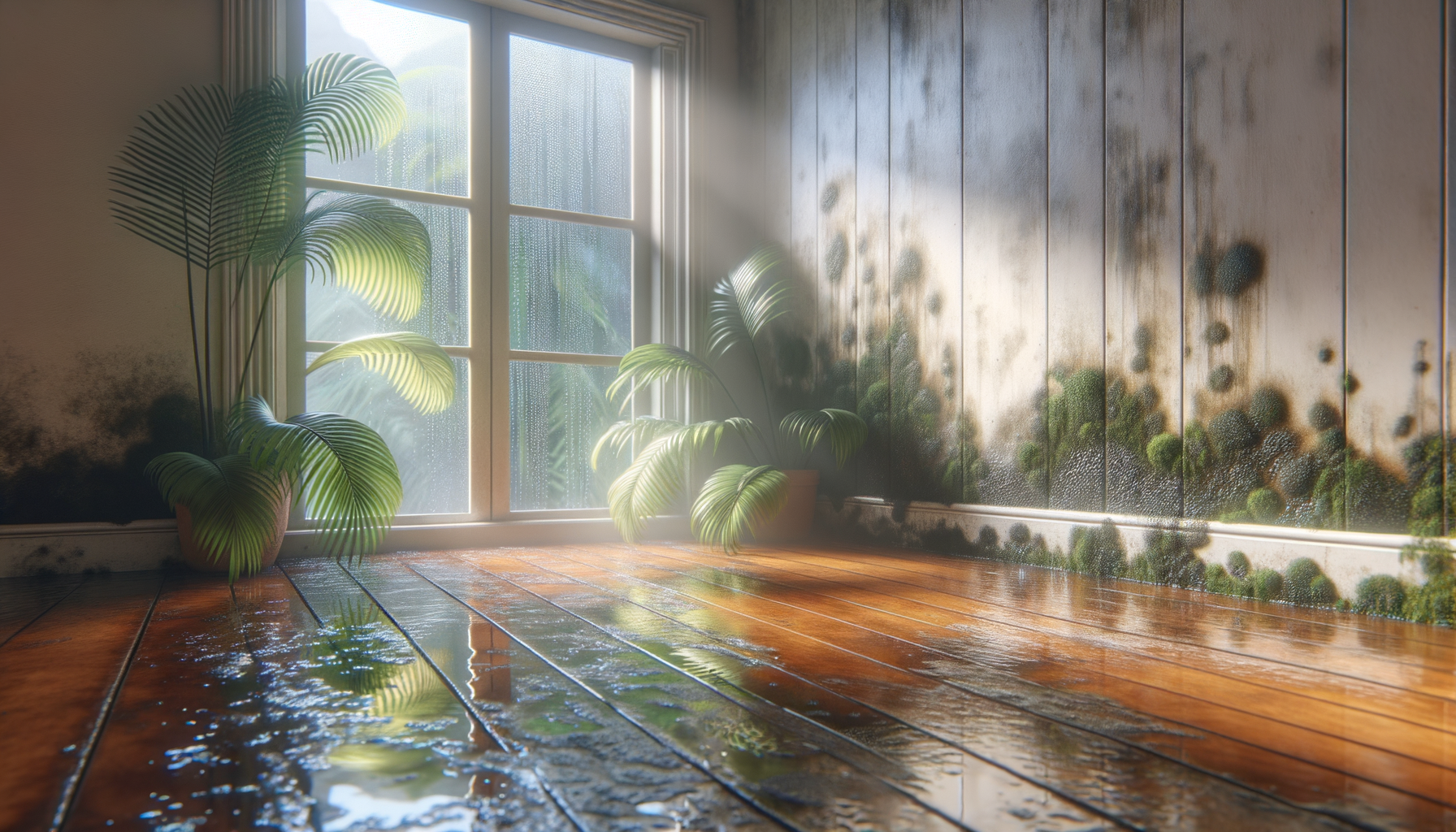
Battling Mold in Humid Climates
The warm, moist environment found in tropical regions can become a breeding ground for mold, presenting both cosmetic and health concerns for homeowners. Understanding the factors that fuel mold growth and adopting preventive measures can help maintain a fresher, safer living space.
Why Mold Thrives
- High humidity: Daily humidity levels above 60% provide an ideal habitat for spores.
- Poor ventilation: Stagnant air in bathrooms, kitchens, and closets encourages accumulation.
- Water intrusion: Leaky roofs or pipes can saturate building materials.
Health and Structural Impact
Mold exposure can aggravate allergies, trigger asthma, and cause respiratory discomfort. Prolonged growth also weakens drywall, wood framing, and painted surfaces, leading to costly repairs if left unchecked.
Statistic: Over 25% of homes in high-humidity zones report visible mold damage each year.
Proactive Prevention Steps
- Monitor indoor humidity with a hygrometer; aim for 30–50% relative humidity.
- Install exhaust fans in moisture-prone areas and maintain them regularly.
- Seal any cracks in foundations, walls, or roof to prevent water leaks.
- Use mold-resistant paint in bathrooms and basements.
- Clean gutters frequently to avoid water overflow near the house.
Effective Cleaning Strategies
Monthly: Vacuum HVAC vents to limit spore circulation.
Seasonally: Inspect attic and crawl spaces for hidden damp spots.
DIY vs. Professional Help
- Small, non-porous surfaces can often be treated safely with home products.
- Extensive infestations behind walls or in insulation require licensed remediation experts.
When to Seek Professional Assistance
If you notice persistent musty odors, discoloration larger than a square foot, or if household members experience unexplained respiratory issues, it’s time to call a certified mold remediator. Professionals use specialized equipment to locate hidden growth and apply industry-approved treatments to restore a healthy environment.