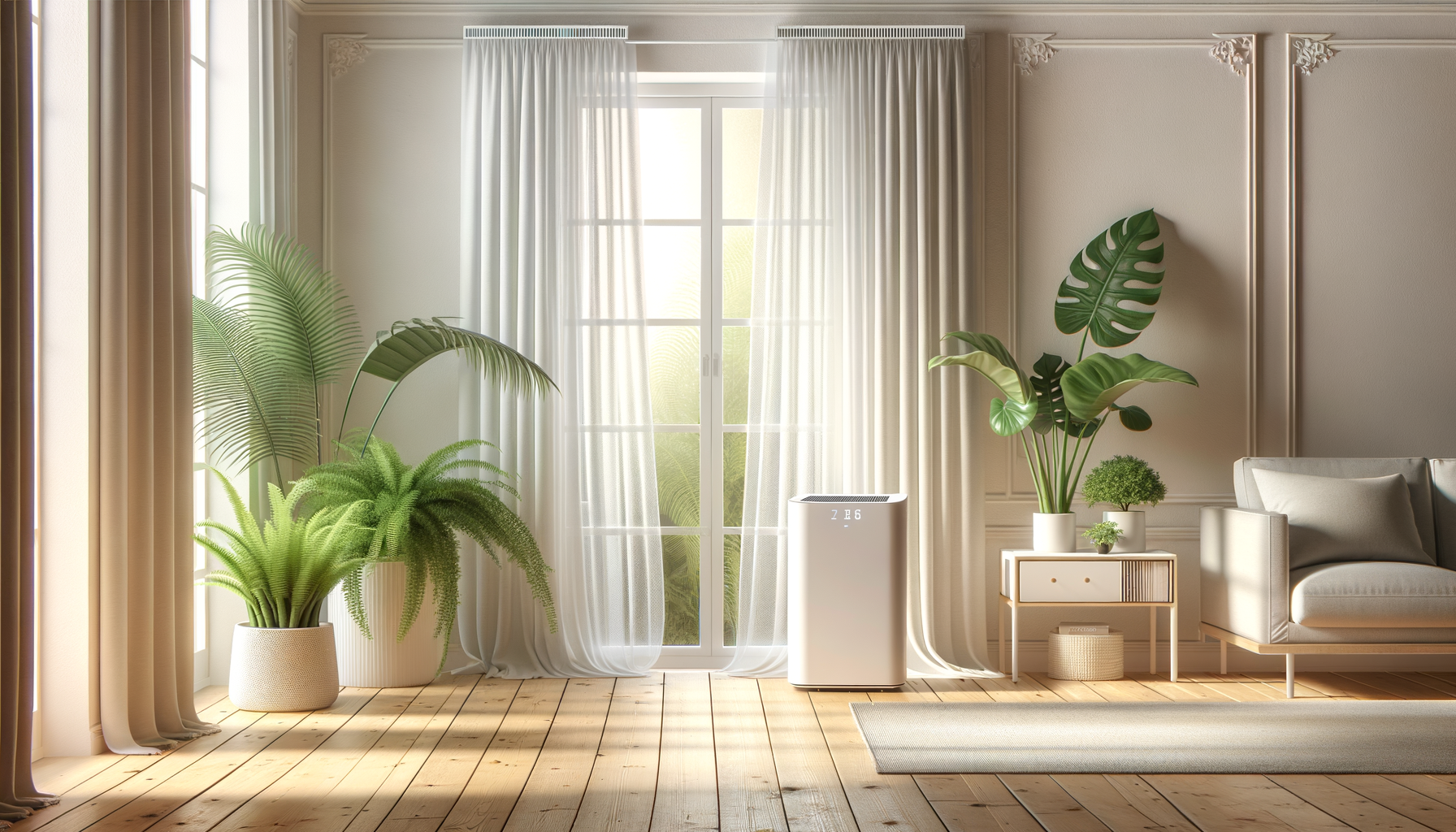
Why Indoor Air Quality Matters
Most of us spend over 90% of our time indoors—whether at home, in the office, or in classrooms. Despite its hidden nature, poor indoor air can trigger allergies, respiratory issues, and fatigue. By understanding common sources and taking targeted steps, you can transform your living environment into a healthier haven.
Common Sources of Indoor Pollutants
- Volatile Organic Compounds (VOCs): Emitted from paints, cleaning supplies, and new furnishings
- Biological Contaminants: Mold, dust mites, pet dander, and pollen
- Combustion Byproducts: Carbon monoxide and nitrogen dioxide from stoves, fireplaces, and tobacco smoke
- Radon: A naturally occurring gas that can seep through foundation cracks
“Indoor air can be up to five times more polluted than outdoor air”—a striking reminder that what you don’t see can hurt you.
Health Impacts to Watch For
Continuous exposure to dirty air can lead to a variety of ailments:
- Headaches and dizziness
- Coughing, sneezing, and throat irritation
- Chronic respiratory conditions like asthma and bronchitis
Children, seniors, and those with compromised immune systems are especially vulnerable.
“Radon is the second leading cause of lung cancer in the U.S., responsible for about 21,000 deaths every year.”
Top Strategies for Cleaner Indoor Air
- Increase Ventilation: Open windows when weather permits; use exhaust fans in kitchens and bathrooms.
- Upgrade Filters: Choose HEPA filters for HVAC systems and vacuum cleaners.
- Control Humidity: Aim for 30–50% relative humidity; deploy dehumidifiers or humidifiers as needed.
- Test and Mitigate Radon: Purchase an affordable radon kit or hire a professional.
- Adopt Green Cleaning: Switch to low-VOC or fragrance-free products.
- Regular maintenance of HVAC and dehumidifiers keeps pollutants in check.
- Natural ventilation and indoor plants enhance air exchange and filtration.
- Routine testing for radon and carbon monoxide safeguards long-term health.
Final Thoughts
Improving indoor air quality doesn’t require a major renovation. With simple adjustments—better ventilation, proper filtration, and mindful product choices—you can create a space that feels fresher, breathes easier, and supports well-being for everyone under your roof.