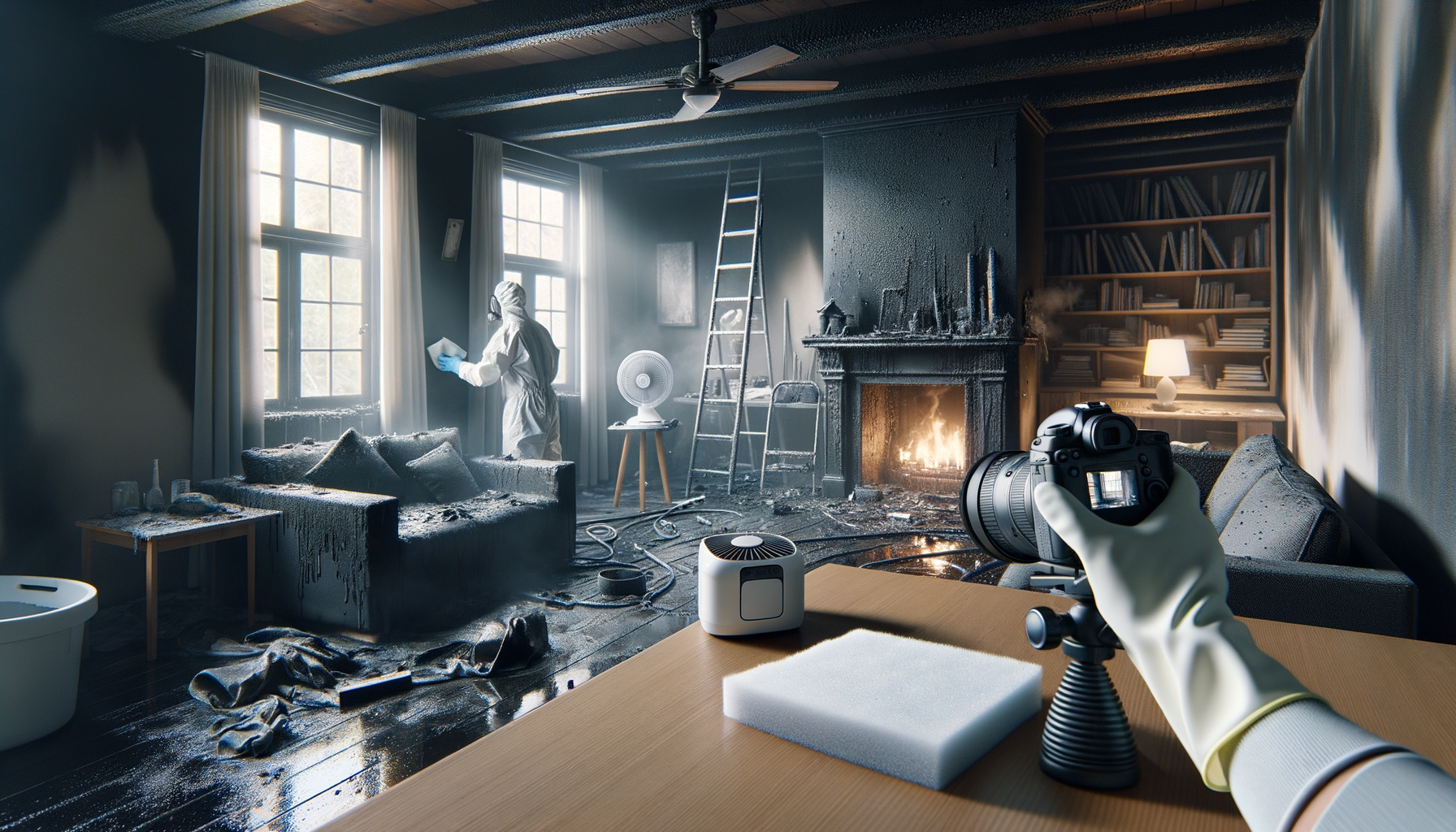
Taking Control After a Fire: Your Action Plan
When flames have been extinguished and first responders leave the scene, it’s time to focus on recovery. Cleaning up after a house fire can feel overwhelming, but systematic steps will restore safety and comfort.
Key Takeaway: Address safety concerns first, then document damage thoroughly to aid insurance claims.
Step 1: Initial Safety & Assessment
- Check building stability: Look for sagging ceilings or compromised beams.
- Ventilate safely: Open windows and use fans to expel smoke and chemical odors.
- Turn off utilities: Shut off gas, electricity, and water before entering.
“Smoke residues can be corrosive and hazardous; professional advice is often crucial.”
Step 2: Documentation & Insurance
- Photograph every damaged area, focusing on valuables.
- List destroyed or salvaged items with estimated values.
- Contact your insurer immediately and supply all evidence.
Pro Tip: Keep receipts for all cleaning supplies and temporary lodging to add to your claim.
Step 3: Cleaning & Deodorizing
Fire leaves behind soot, ash, and stubborn smoke smells. A multi-layer approach works best:
- Dry-cleaning sponges for walls and ceilings
- Heavy-duty vacuums with HEPA filters
- Odor-neutralizing solutions (ozone generators, activated charcoal)
Tip: Wash textiles in warm water with a cup of white vinegar to break down smoke molecules.
Step 4: Repair & Renovation
- Hire a structural engineer if major framing is compromised.
- Replace drywall, insulation, and wiring as needed.
- Repaint with stain-blocking primers.
Remember: Thorough cleaning before repairs prevents lingering odors and health risks.
Essential Safety Checklist
- Fire extinguisher on every level
- Hard hats, gloves & eye protection
- Air quality monitors for VOCs and smoke particles
Recovering from a home fire demands patience, proper planning, and often professional support. By following these steps—ensuring safety, documenting damage, tackling cleanup, and restoring the structure—you’ll reclaim your home and peace of mind.