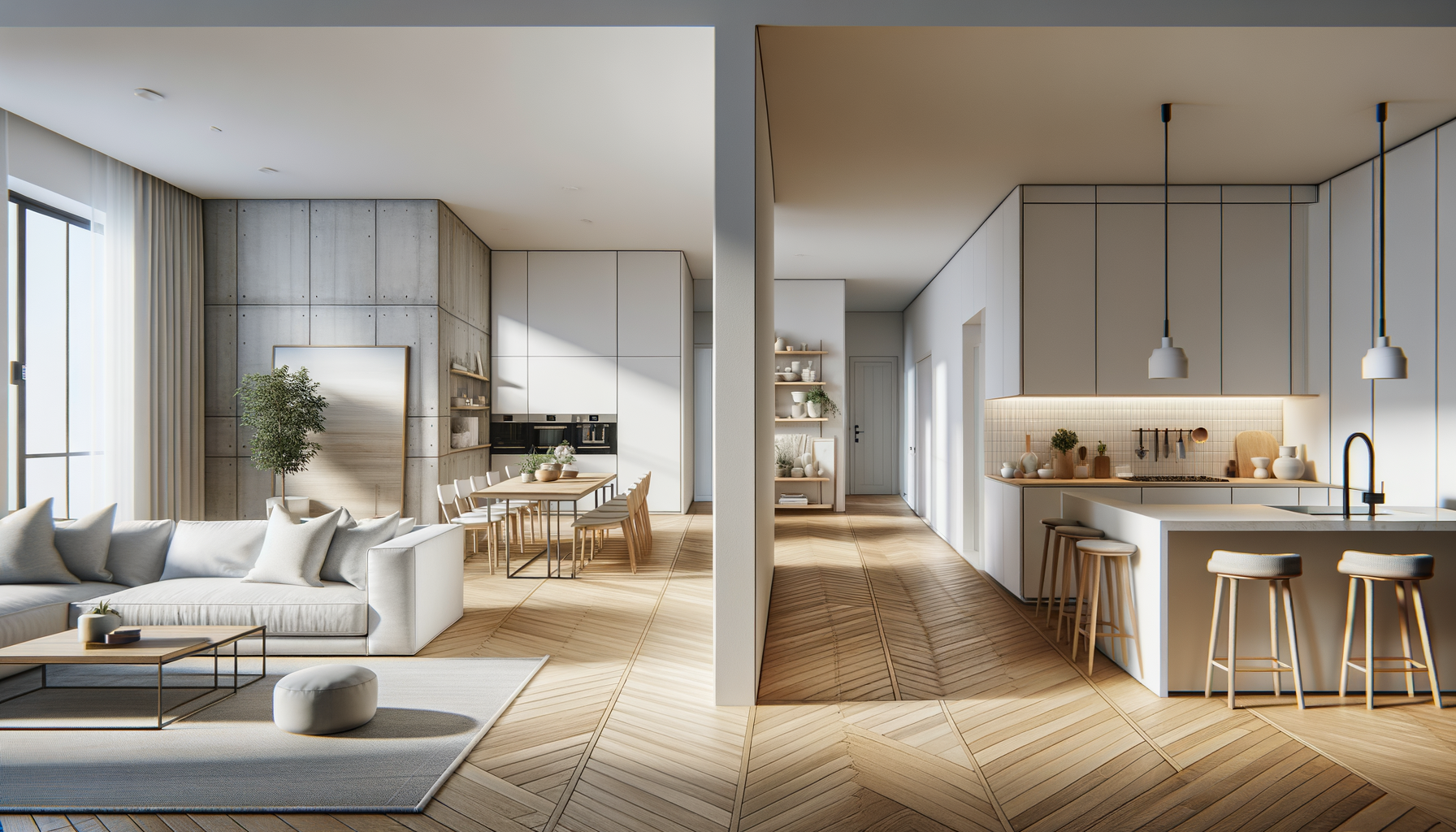
Understanding a Broken Floor Plan
A broken floor plan occurs when the design of a house interrupts the natural flow between rooms. These interruptions can make a home feel cramped, outdated, or simply inconvenient in daily life. Recognizing these flaws is the first step toward improving your space and boosting its market appeal.
Key Characteristics of a Disjointed Layout
- Narrow doorways that hinder movement
- Rooms placed in illogical sequence
- Lack of visual connection between living areas
- Excessive hallways consuming usable square footage
Why Flow Matters
Homes with open or semi-open layouts score higher on buyer wishlists. According to industry surveys, 68% of buyers prioritize a connected kitchen and living space.
“A home that moves you from room to room without barriers naturally feels larger and more inviting.”
Strategies to Fix a Broken Plan
- Identify walls that can be removed safely (consult a structural engineer).
- Combine small, underused areas into multi-purpose zones.
- Install wider openings or arched doorways for a spacious feel.
- Leverage natural light by adding windows or glass panels.
- Use consistent flooring to unify separate rooms.
Benefits of an Improved Layout
- Enhanced social interaction in shared areas
- Better furniture placement and storage options
- Increased natural light throughout the home
- Higher appraised value and faster resale
Final Thoughts
Renovating a maladaptive floor plan can seem daunting, but even small interventions like removing a partial wall or rethinking hallway space deliver significant payoff. Whether you plan to stay or sell, creating a fluid layout pays dividends in comfort, style, and financial return.