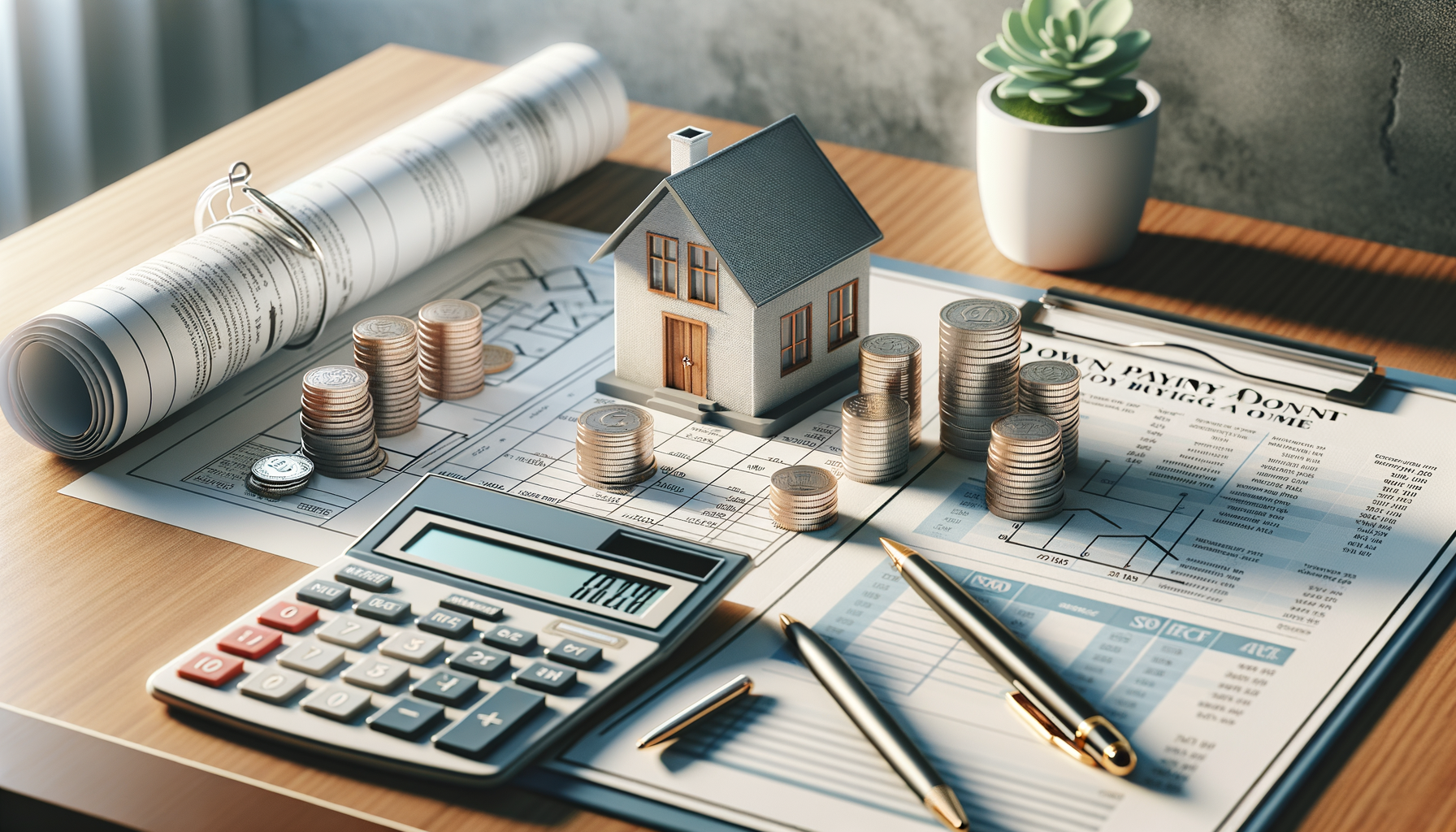
Understanding Your Down Payment Options
Deciding on the right down payment is a crucial step in purchasing a home. It not only affects your monthly mortgage payments but also influences your ability to secure a loan.
Common Down Payment Percentages
- 3% for first-time homebuyers
- 5-10% for conventional loans
- 20% to avoid private mortgage insurance (PMI)
Tip: While a larger down payment can reduce your loan amount and interest, it’s essential to balance it with your savings for emergencies and other expenses.
Loan Types and Their Requirements
- FHA Loans: Require as little as 3.5% down.
- Conventional Loans: Typically need 5-20% down.
- VA Loans: Often offer 0% down for eligible veterans.
- USDA Loans: Provide 0% down options for rural homebuyers.
“A higher down payment can significantly lower your interest rate and monthly payments.”
Benefits of a Larger Down Payment
- Lower monthly payments
- Reduced interest over the loan term
- Avoidance of PMI
- Stronger negotiating power
Assessing What’s Best for You
Consider factors like your financial stability, credit score, and long-term plans when deciding on a down payment amount.
Key Takeaway: There’s no one-size-fits-all answer. Evaluate your financial situation and consult with a mortgage advisor to determine the best down payment strategy for your home purchase.
“Your down payment is a powerful tool in shaping your homeownership journey.”
Final Considerations
Remember to factor in additional costs such as closing fees, moving expenses, and potential repairs when planning your down payment.