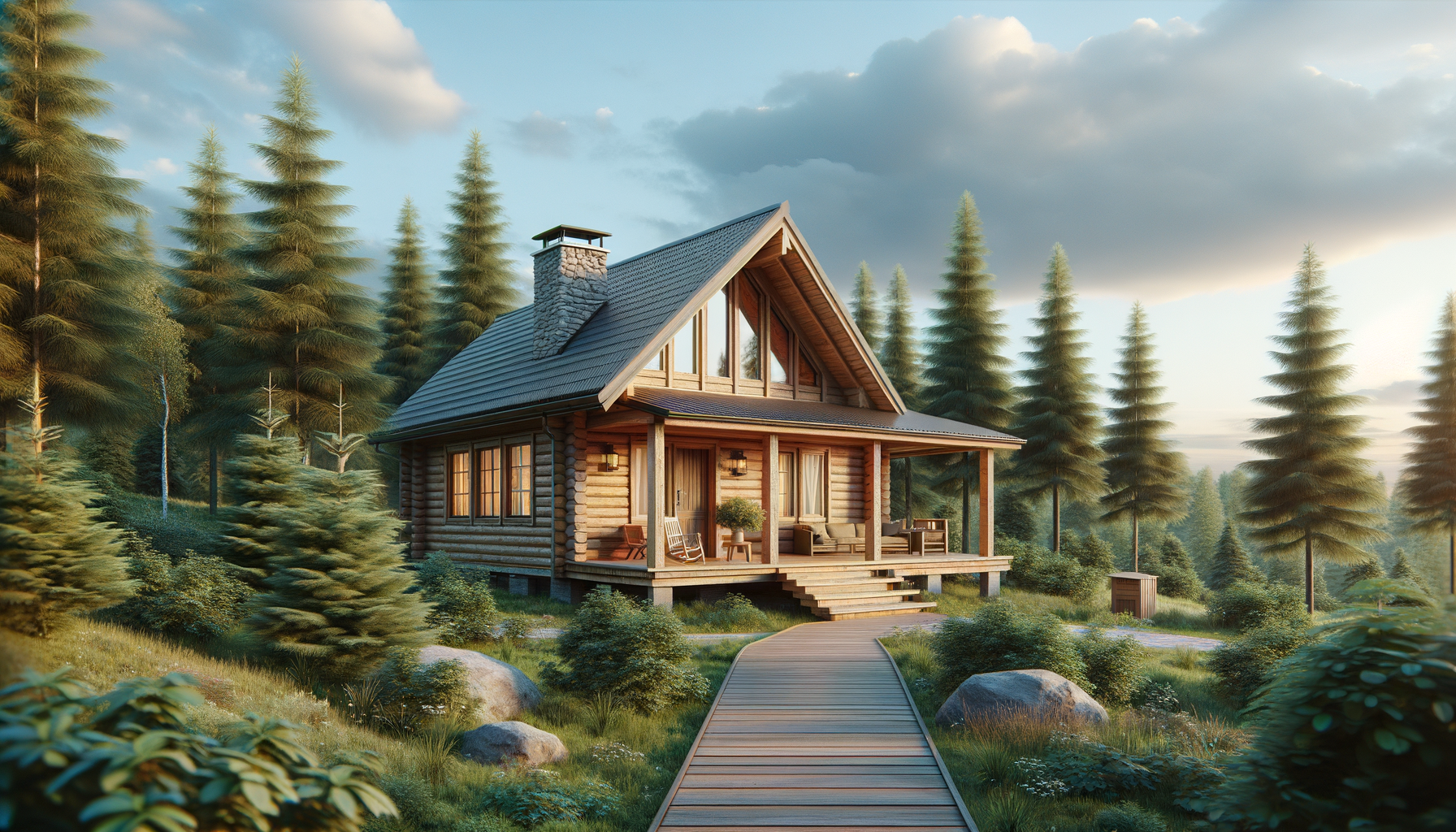
Understanding Cabins: A Cozy Retreat
Cabins have long been synonymous with peaceful retreats nestled in nature. Whether for a weekend getaway or a permanent residence, cabins offer a unique blend of comfort and simplicity.
What Defines a Cabin?
A cabin is typically a small, single-story structure located in rural or wilderness areas. Unlike larger homes, cabins emphasize minimalist living and a close connection to the surrounding environment.
“A cabin is more than just a building; it’s a sanctuary away from the hustle and bustle of everyday life.”
Types of Cabins
- Vacation Cabins: Perfect for short-term stays and leisure activities.
- Year-Round Cabins: Designed for permanent living with necessary utilities.
- Log Cabins: Constructed using logs, offering a rustic charm.
- Modern Cabins: Incorporate contemporary designs and amenities.
Features to Consider
- Location: Proximity to natural attractions or accessibility.
- Size: Depending on intended use and number of occupants.
- Materials: Traditional wood vs. modern materials.
- Utilities: Heating, electricity, and water systems.
“Living in a cabin can significantly reduce stress and enhance your connection to nature.”
Benefits of Cabin Living
- Reduced Stress: A serene environment helps in relaxation and mental well-being.
- Sustainability: Smaller footprint and potential for eco-friendly living.
- Cost-Effective: Lower maintenance and utility costs compared to traditional homes.
- Flexibility: Ability to customize and adapt the space to personal needs.
Making the Decision
Choosing to build or buy a cabin involves careful consideration of your lifestyle, budget, and desired location. Assess your long-term goals and how a cabin can align with them.