Understanding VA Loan Home Inspections
When you’re purchasing a home with a VA-backed mortgage, a thorough inspection helps protect both you and the lender. Unlike a simple walk-through, a VA loan inspection delves into safety, soundness, and structural integrity.
Why It Matters
An inspection pinpoints hidden issues—from electrical hazards to plumbing concerns—ensuring the property meets VA Minimum Property Requirements (MPRs). Without it, you risk unexpected repairs and compromised financing.
Did you know? VA loans saved veterans over $3.3 billion in financing fees in the past year.
The Inspection Process
- Hire a Certified Inspector: Look for professionals accredited by VA-recognized organizations.
- Schedule the Walk-Through: Coordinate with your lender and seller to set a date.
- Review the Report: Inspectors submit detailed findings; note any MPR violations.
- Obtain Repairs or Credits: Negotiate with the seller to fix major issues or provide financial concessions.
Common Inspection Findings
- Roof damage or leaks
- Outdated electrical wiring
- Poor drainage and grading
- Mold, mildew, or water intrusion
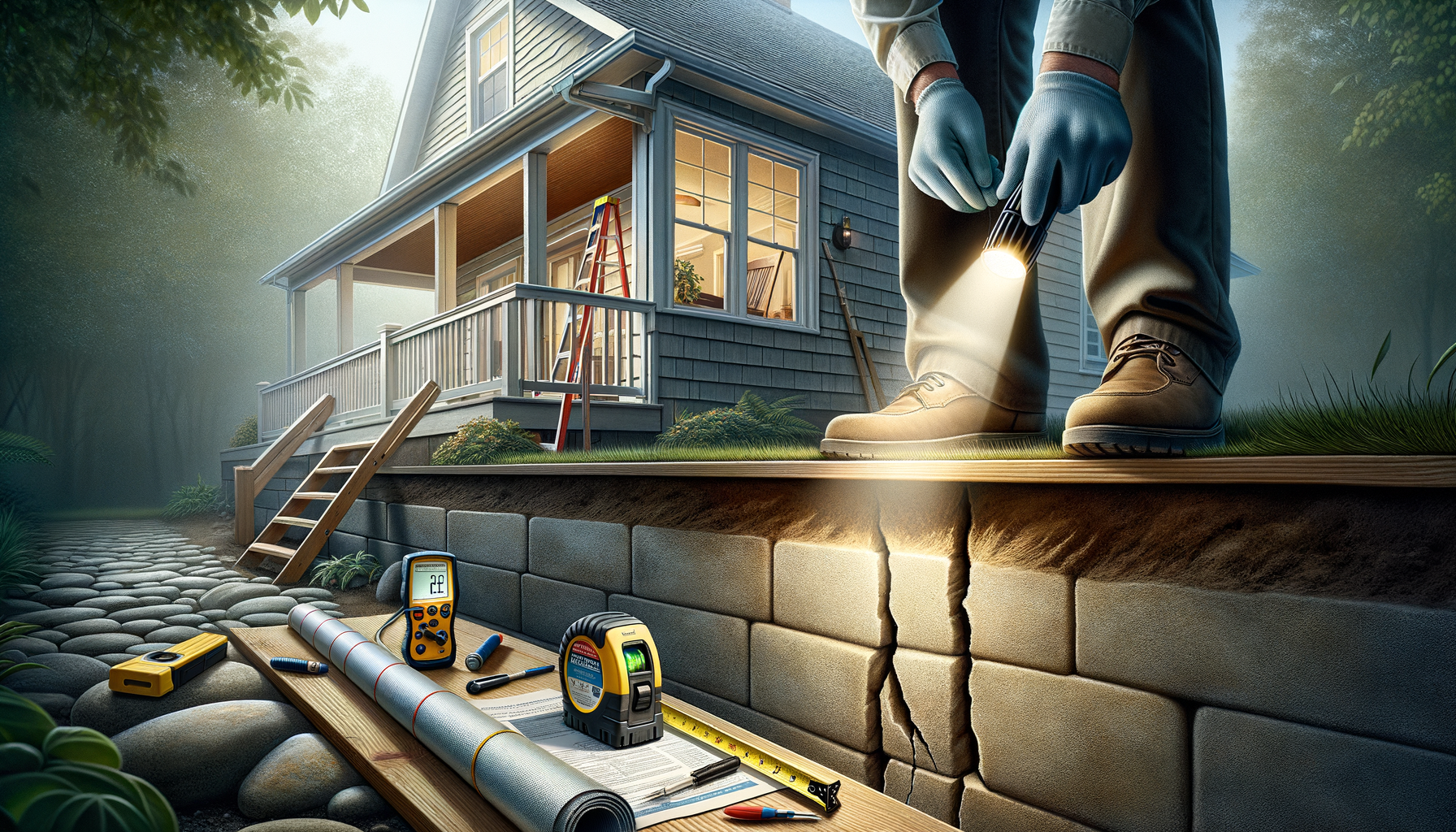
- Foundation cracks or settling
Inspection Tips
- Attend the inspection to ask questions.
- Compare multiple bids for repair estimates.
- Prioritize health and safety issues first.
Final Thoughts
Securing a VA loan means taking advantage of significant benefits, but it also involves meeting specific property standards. By investing in a comprehensive inspection and addressing any red flags, you can move into your new home confidently and avoid costly surprises.
“A good home inspection isn’t an expense, it’s an investment in peace of mind.”