
Navigating Appraisal Contingencies: A Key Step in Your Homebuying Journey
Understand the role of appraisal contingencies in real estate agreements. Learn how they can affect your home purchasing experience and help ensure a seamless transaction.
Understand the role of appraisal contingencies in real estate agreements. Learn how they can affect your home purchasing experience and help ensure a seamless transaction.

This article examines the advantages and disadvantages of removing the appraisal contingency, helping you decide if doing so is the best option for your home purchase.

Looking to buy a $700,000 home? Explore the required income levels, detailed examples, and practical budgeting strategies to manage a $700,000 mortgage effectively.

Purchasing a home can be genuinely stressful, and many people feel the same way. Navigating financial uncertainties, experiencing emotional ups and downs, and dealing with a rapidly changing real estate market can make the homebuying process feel overwhelming, even for those with previous experience. This guide explores the factors contributing to the stress, outlines the emotional phases you may encounter, and offers strategies to help you manage the experience effectively.

Refinancing your mortgage represents a major financial commitment, making it essential to grasp all related expenses. A common inquiry is whether a down payment is necessary in the refinancing process. Typically, refinancing does not require a down payment. However, you will almost certainly need to pay for closing costs associated with the transaction.

Private Mortgage Insurance (PMI) safeguards lenders if a borrower defaults on their mortgage payments. This insurance does not offer protection to the homeowner. Typically, lenders mandate PMI for conventional mortgages when the initial down payment is below 20% of the home’s purchase price. Although PMI can increase monthly expenses, there are strategies to eliminate or reduce its cost when purchasing a home.

Achieving the home of your dreams is attainable, but deciding on the right down payment is essential. Should you target a hefty 20% or more, or might a 10% down payment—or even less—be a better fit for your circumstances? This article examines the benefits and drawbacks of various down payment amounts to help you make an informed decision.

Purchasing your first home is a major milestone, whether you’re aiming for a spacious ranch-style house in Dallas or a quaint Victorian abode in Charlotte. It’s entirely normal to have numerous questions along the way, especially regarding financial aspects like understanding what a down payment involves and determining the minimum amount required for first-time homebuyers.
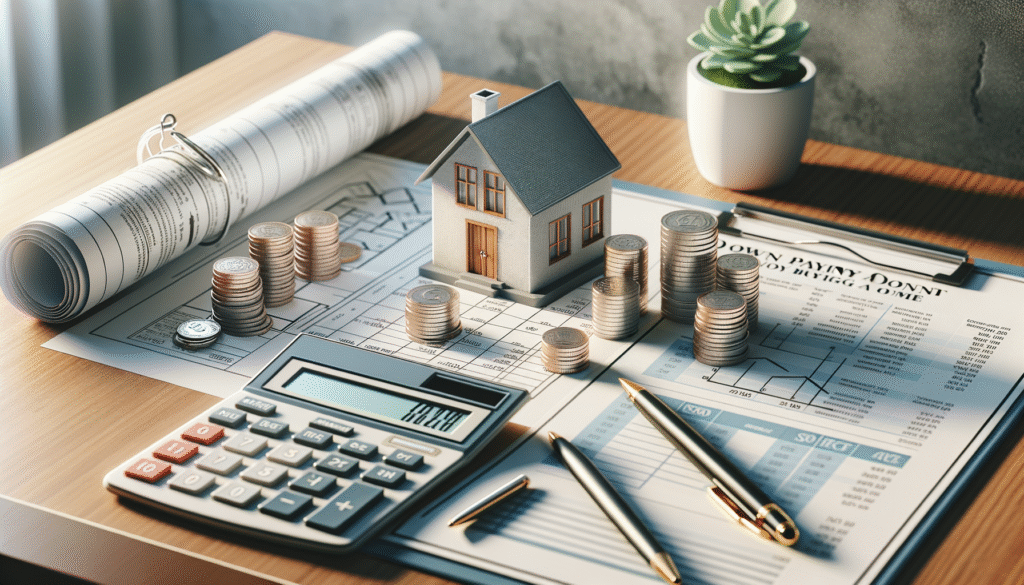
Understand the necessary down payment when buying a home. Many loan programs offer options with low or no down payment, meaning you don’t always need to provide 20%.

Before diving into the complexities of purchasing an abandoned property, evaluate whether it aligns with your real estate objectives.
© 2018 BuyOrSellYourHome.com