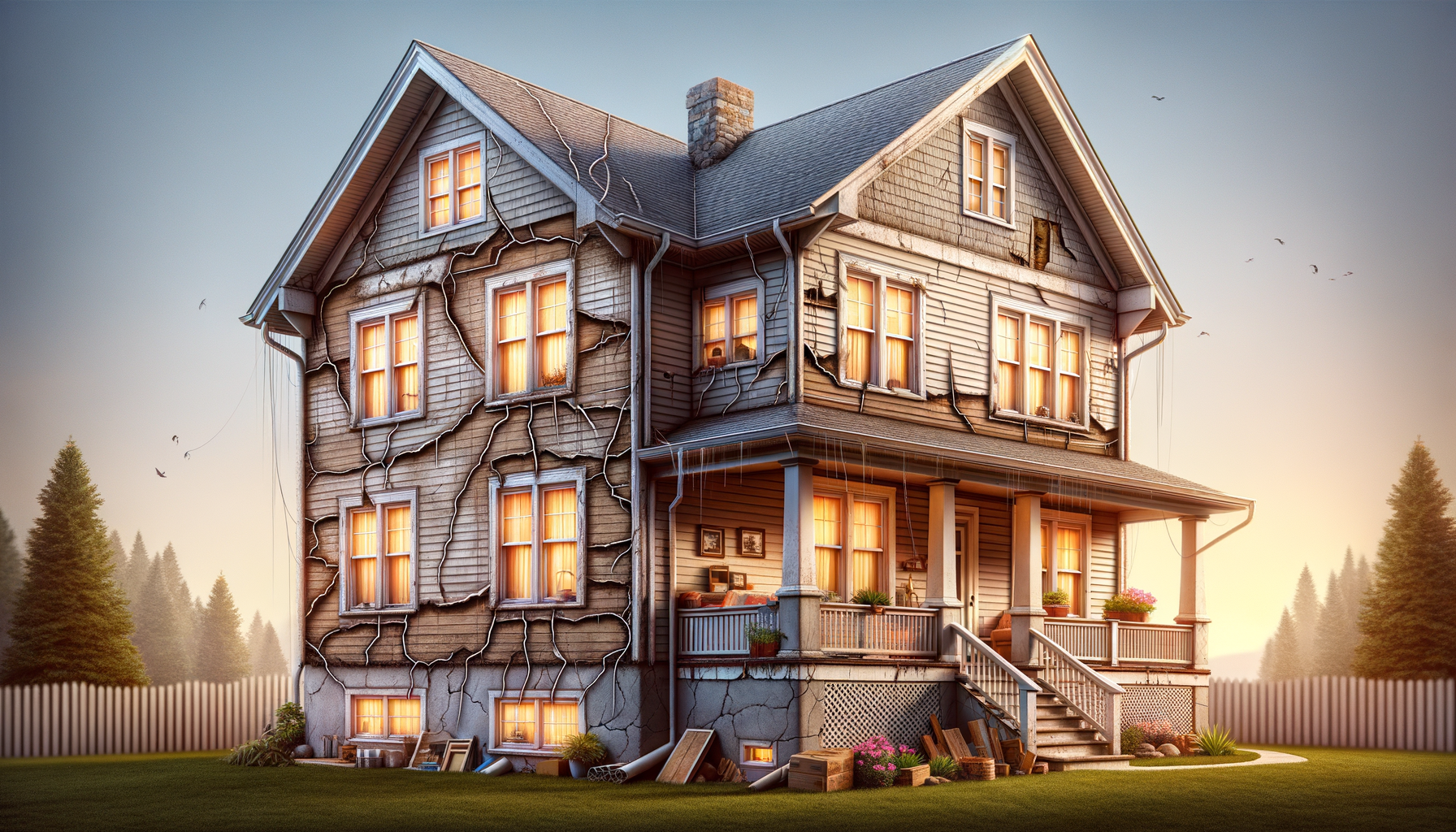
Common Reasons a Home Might Not Pass Inspection
When purchasing a home, the inspection process is a critical step to ensure the property is in good condition. However, certain issues can lead to a failed inspection, potentially delaying or even derailing the purchase. Understanding these common pitfalls can help buyers address them proactively.
Structural Concerns
One of the primary areas of focus during a home inspection is the foundation and structural integrity of the property.
- Foundation Problems: Cracks in the foundation walls, uneven settling, or signs of shifting can indicate serious structural issues.
- Roofing Issues: Missing shingles, leaks, or damaged gutters can compromise the roof’s effectiveness.
- Window and Door Alignment: Difficulty in opening or closing windows and doors may signal foundation movement.
Electrical and Plumbing Issues
Electrical and plumbing systems are vital for the functionality and safety of a home. Inspectors pay close attention to these areas to identify any potential hazards.
- Outdated Wiring: Old or faulty wiring can pose fire risks and may not support modern electrical loads.
- Poor Plumbing: Leaks, low water pressure, or outdated pipes can lead to water damage and inefficiencies.
- Improper Ventilation: Inadequate ventilation in bathrooms and kitchens can lead to mold growth and poor air quality.
“Electrical and plumbing issues not only affect daily living but also add significant repair costs.”
HVAC and Insulation Problems
A well-functioning HVAC system and proper insulation are essential for comfort and energy efficiency.
- Faulty HVAC Systems: Inefficient heating and cooling can lead to higher energy bills and discomfort.
- Poor Insulation: Inadequate insulation can result in temperature fluctuations and increased energy usage.
- Ventilation Issues: Proper ventilation is necessary to maintain indoor air quality and prevent moisture buildup.
Exterior and Safety Concerns
The exterior of the home and various safety features are also critical components of the inspection.
- Siding and Paint: Damaged or deteriorating siding can lead to water infiltration and structural damage.
- Fire Safety: Missing or non-functional smoke detectors, fire extinguishers, and improper egress windows can pose safety risks.
- Pest Infestations: Evidence of pests such as termites or rodents can indicate underlying issues.
Final Thoughts
A failed home inspection doesn’t necessarily mean the end of the dream home process. It’s an opportunity to negotiate repairs or adjust the purchase terms. Being informed about common issues can help buyers approach the inspection with confidence and make informed decisions.
“A thorough inspection is a valuable tool in ensuring a safe and sound investment.”