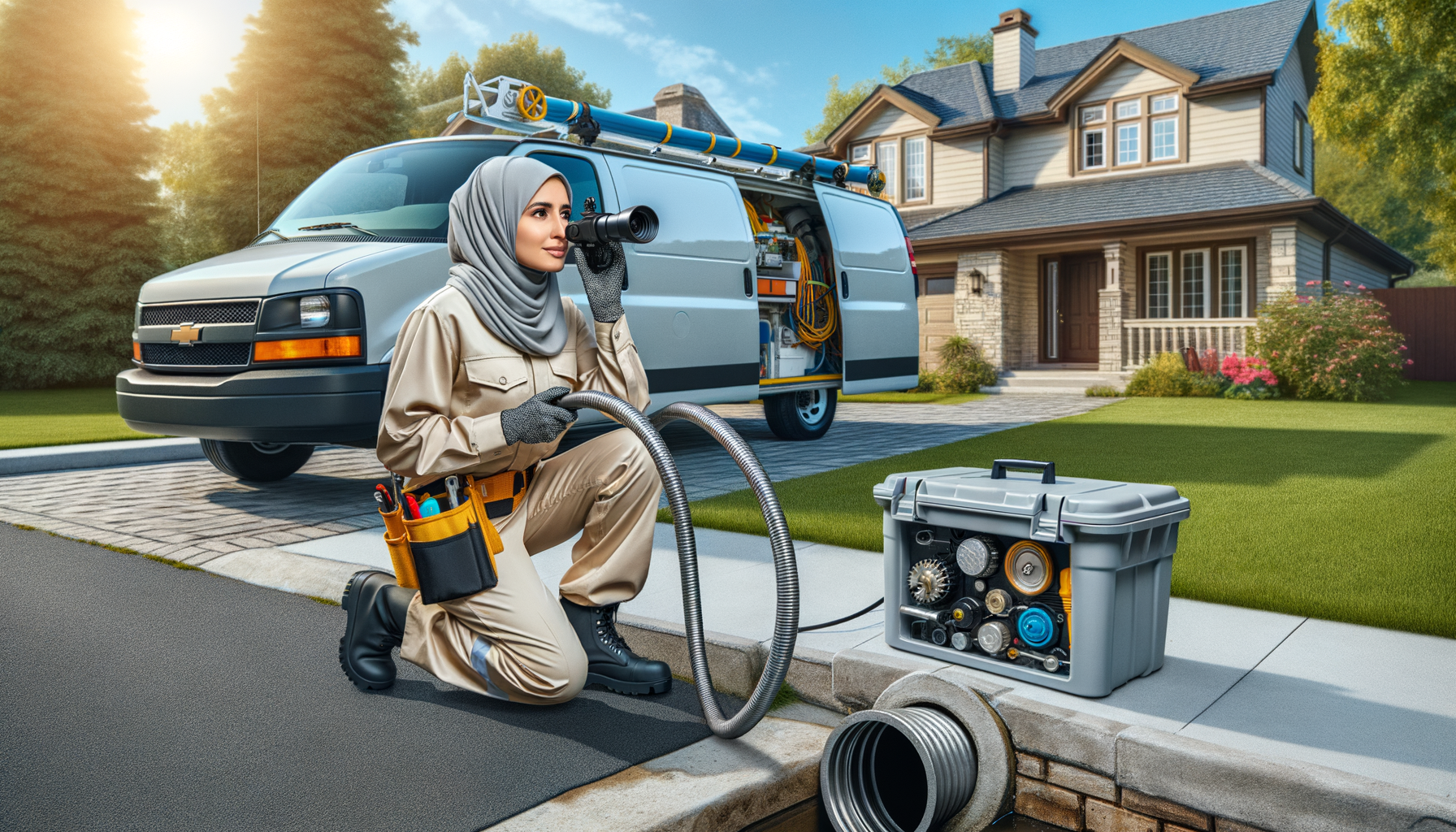
Understanding Sewer Scope Inspections
A sewer scope inspection is a critical step in assessing the condition of a property’s drainage system. By utilizing specialized cameras, professionals can navigate through the sewer lines to identify potential issues that aren’t visible through conventional means.
Why Consider a Sewer Scope Inspection?
- Prevent Costly Repairs: Early detection of problems can save homeowners from expensive fixes down the line.
- Ensure Property Value: A well-maintained sewer system preserves the overall value of your home.
- Peace of Mind: Knowing the state of your sewer lines eliminates uncertainty during real estate transactions.
When to Schedule an Inspection?
- Before Buying or Selling a Home: Ensure there are no underlying issues with the sewer system.
- Regular Maintenance: Periodic checks help maintain the integrity of your drainage system.
- After Experiencing Problems: Signs like slow drains or foul odors may indicate sewer line issues.
“Approximately 11% of homes require sewer line repairs within the first 15 years.” – Home Maintenance Statistics
Benefits of a Sewer Scope
- Accurate Diagnosis: Pinpoint the exact location and nature of the problem.
- Comprehensive Reporting: Receive detailed footage and reports for informed decision-making.
- Non-Invasive: Minimizes disruption to your property during the inspection.
Choosing the Right Professional
- Experience: Look for certified technicians with extensive experience in sewer inspections.
- Technology: Ensure they use the latest camera equipment for accurate results.
- Reputation: Check reviews and testimonials to gauge their reliability and service quality.
Cost Considerations
The cost of a sewer scope inspection can vary based on factors like location, the length of sewer lines, and the complexity of the inspection. On average, homeowners can expect to invest between $200 to $600. While this might seem substantial, the long-term savings from early problem detection make it a worthwhile investment.
Final Thoughts
Incorporating a sewer scope inspection into your home maintenance routine is a proactive measure that safeguards your property against unforeseen drainage issues. By understanding the process and its benefits, homeowners can make informed decisions, ensuring a secure and efficient plumbing system.