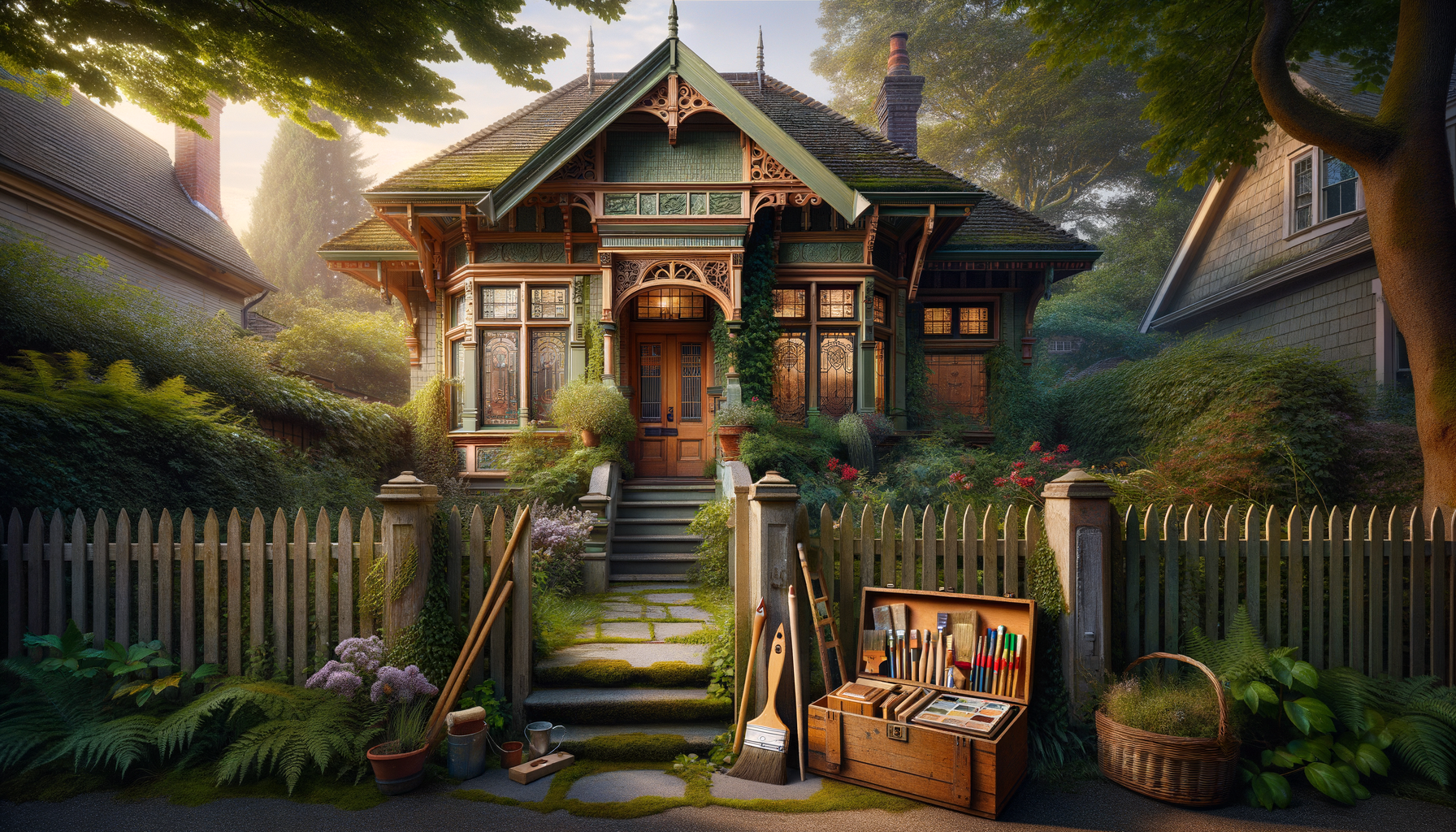
Why Consider a Historic Home?
Owning a piece of history can be thrilling. These properties offer unique architectural details and a tangible link to the past. Before you dive in, understand the rewards and challenges.
- Character: Intricate woodwork, stained glass, ornate moldings.
- Community Appeal: Often located in vibrant, established neighborhoods.
- Appreciation Potential: Many historic districts show steady value growth.
Inspecting and Evaluating Condition
Before signing, get a thorough inspection. Historic structures can hide costly surprises.
- Foundation & Framing: Check for cracks, rot, insect damage.
- Roof & Gutters: Original shingles may need specialized replacement.
- Electrical & Plumbing: Outdated systems often require full updates.
- Environmental Hazards: Look for lead paint, asbestos, mold.
“Nearly 70% of restoration costs come from structural and mechanical upgrades.”
Financing and Incentives
Budgeting goes beyond purchase price. Explore specialized loan programs and grants.
- Historic Preservation Loans: Often feature low down payments.
- Tax Credits: Federal & state incentives can cover 10–30% of rehab costs.
- Grants & Rebates: Local non-profits sometimes fund exterior restoration.
Navigating Regulations
Historic districts often have strict guidelines. Permission may be needed for:
- Exterior color changes
- Window replacements
- Structural alterations
Planning Restoration
- Research Materials: Match original textures and colors.
- Hire Specialists: Carpenter, mason, architect with preservation experience.
- Phase Work: Prioritize structural repairs, then cosmetic updates.
Bold restoration can boost resale value by up to 15%, according to preservation experts.
Final Thoughts
Purchasing a historic home is a commitment to both comfort and stewardship. With careful planning, expert help, and a respect for heritage, you can enjoy a living space rich in style and story.