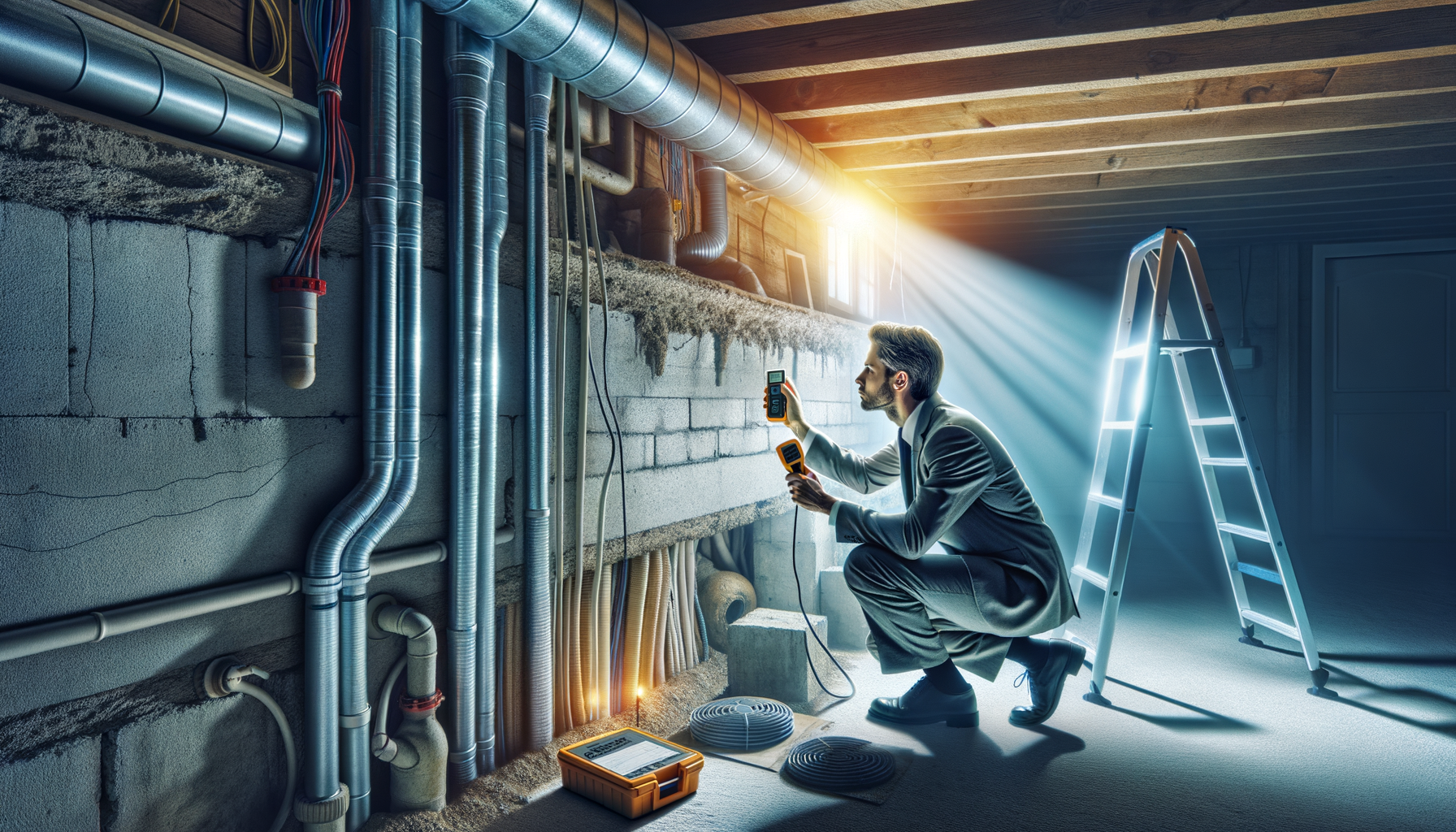
What a Home Inspector Examines
When you’re buying (or selling) a home, a thorough inspection is crucial. A qualified inspector offers insights on hidden issues and potential repairs, helping you make informed decisions.
Structural and Exterior Elements
- Foundation & Framing: Inspectors look for cracks, settling, or water damage.
- Roof & Gutters: Condition of shingles, flashing, soffits, and drainage.
- Siding & Paint: Warping, rot, or loose materials that permit moisture intrusion.
Key Takeaway: A solid shell keeps the elements out. Addressing exterior defects early prevents costly repairs later.
Systems Inside Your Home
- Electrical: Breaker panels, wiring integrity, outlet safety.
- Plumbing: Leaks, pipe material, water pressure, drainage.
- HVAC: Furnace efficiency, ductwork condition, thermostat function.
TIP: Have service records ready. Well-maintained systems usually score higher on inspections.
Interior Components & Safety Checks
- Walls & Ceilings: Signs of mold, water stains, or structural sagging.
- Insulation & Ventilation: Proper attic insulation and airflow reduce energy bills.
- Safety Devices: Smoke detectors, CO alarms, handrails, and egress windows.
“Over 50% of inspection reports mention safety concerns or outdated systems.”
Pest and Moisture Overview
Inspectors often include a moisture meter check in basements and crawlspaces, plus look for insect or rodent damage. Early detection can prevent structural decay and health risks.
Don’t Skip:
- Grading around foundation
- Gutter downspouts and drainage paths
- Signs of termites or carpenter ants
Final Thoughts
A well-rounded inspection does more than spot flaws—it offers peace of mind. Armed with a detailed report, you can negotiate repairs, plan upgrades, or simply rest easy knowing your investment is sound.
Remember: No home is perfect, but a professional eye helps you prioritize repairs and budget wisely.