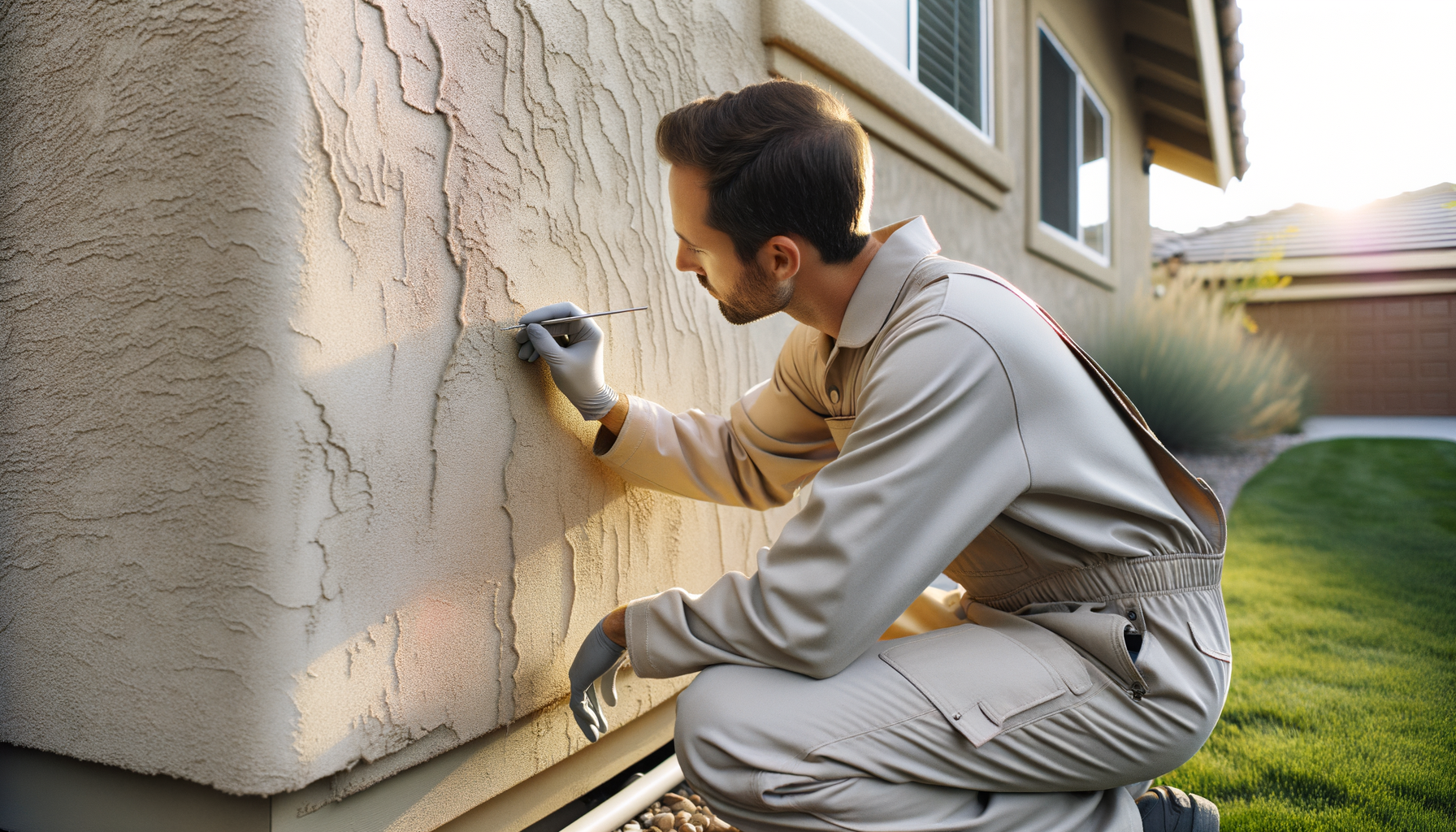
Understanding Stucco: A Quick Overview
Stucco is a durable, versatile finish often found on home exteriors. However, time and the elements can take a toll, leading to cracks, moisture buildup, and other concerns. Regular inspections help catch problems early and safeguard your investment.
Why Regular Stucco Inspections Matter
“Neglecting minor cracks can lead to major structural damage—and hefty repair bills.”
Routine checks:
- Extend the life of your exterior finish
- Prevent water intrusion
- Maintain curb appeal
Key Takeaway: Inspect at least once a year and after severe weather events to catch early signs of wear.
Step-by-Step Inspection Guide
- Walk the Perimeter: Look for hairline cracks, bulges, or discoloration.
- Check Flashing & Joints: Ensure metal trim and sealant around windows and doors remain intact.
- Probe for Soft Spots: Gently tap areas to identify crumbling or hollow-sounding sections.
- Examine Caulking: Replace any brittle or missing caulk to maintain a watertight seal.
Common Red Flags to Spot
- Wide Cracks: Wider than 1/8 inch may indicate shifting or foundation issues.
- Staining or Efflorescence: White powdery residue signals moisture migration.
- Peeling Paint or Texture Loss: Can expose layers to the elements, accelerating decay.
Maintenance Tips
- Clean gently: Use a soft-bristle brush and mild detergent.
- Seal when needed: Apply a breathable water-repellent coating every 5–7 years.
- Prompt repairs: Fill cracks with elastomeric caulk to prevent moisture entry.
Pro Tip: Hire a certified stucco professional for a comprehensive assessment every 3–5 years.
By following this simple inspection routine, you’ll keep your stucco looking great and functioning properly for decades to come.