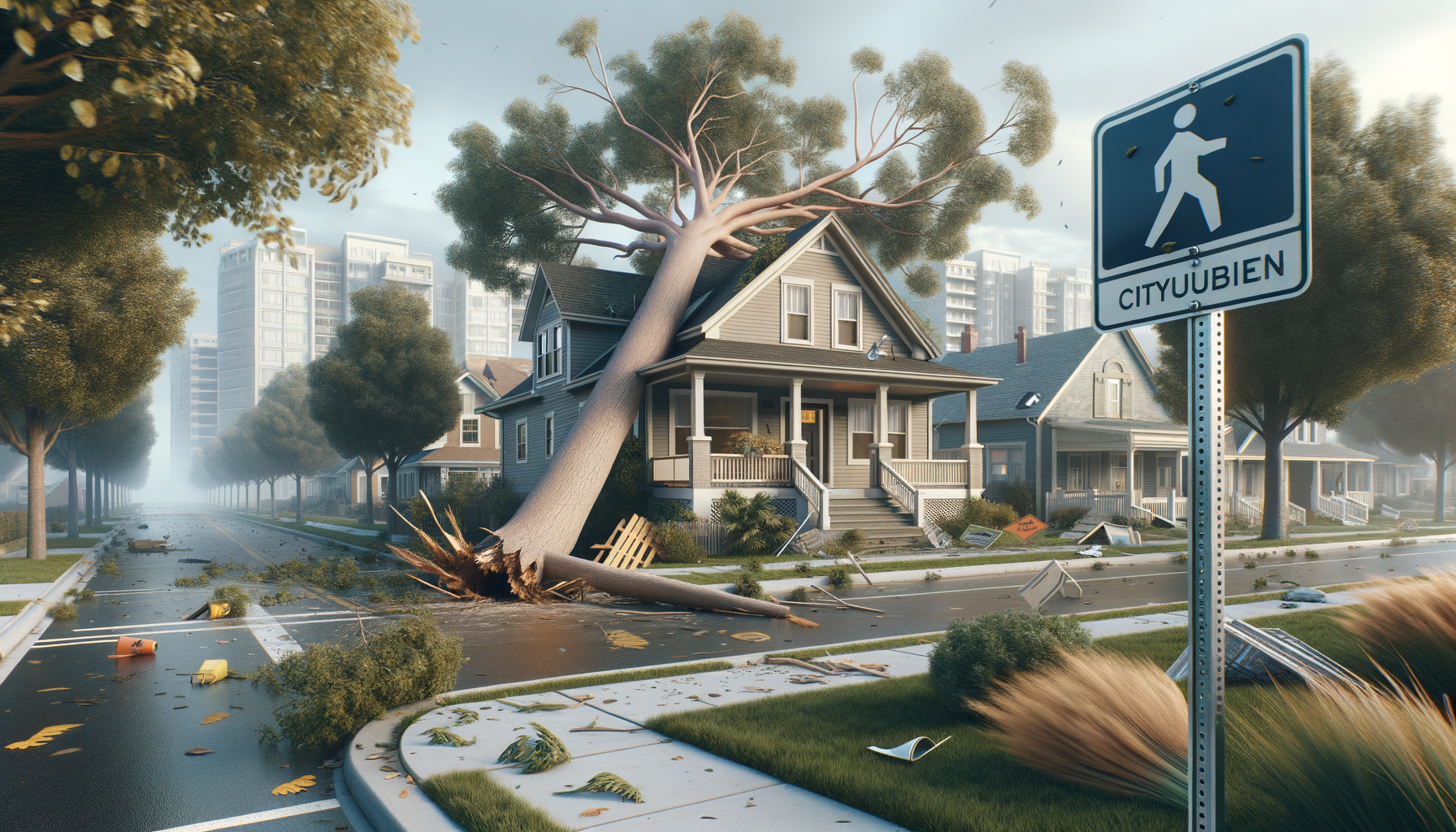
Understanding Liability When a City Tree Causes Property Damage
When a tree under city jurisdiction falls and damages your property, determining who is responsible can be complex. Navigating this situation involves understanding local laws, insurance policies, and the city’s maintenance responsibilities.
Who Holds the Responsibility?
Generally, the responsibility depends on:
- Ownership of the Tree: Trees on public property are typically maintained by the city, while those on private property are the homeowner’s responsibility.
- Tree Health: If the tree was diseased or dead and the city knew or should have known, they might be liable.
- Negligence: Failure to maintain a tree can lead to liability if it results in damage.
Steps to Take If a City Tree Falls on Your Property
- Ensure Safety: First, make sure there are no injuries and safely secure the area.
- Document the Damage: Take photos and videos of the fallen tree and the resulting damage.
- Notify the City: Contact your local municipal office to report the incident.
- File an Insurance Claim: Inform your homeowner’s insurance provider about the damage.
“Proper documentation and timely communication with both the city and your insurance can significantly streamline the resolution process.”
Insurance Considerations
Your homeowner’s insurance policy plays a crucial role in covering damages caused by fallen trees. Key points include:
- Coverage Limits: Check the extent of your policy coverage for natural disasters and tree damage.
- Deductibles: Understand the deductible amount you need to pay before insurance covers the rest.
- Policy Exclusions: Some policies may exclude certain types of tree damage, so review your policy details carefully.
Preventive Measures
Preventing tree-related damage involves proactive steps:
- Regular Inspections: Schedule periodic tree inspections with certified arborists.
- Maintain Health: Address signs of disease or structural weaknesses promptly.
- Clear Debris: Keep the area around trees free from debris that can indicate underlying issues.
Final Thoughts
While having a tree fall on your property can be distressing, understanding the responsibilities and available resources can help mitigate the impact. Always prioritize safety, document everything, and work closely with both the city and your insurance provider to navigate the aftermath effectively.