Transform Your Garden with Leaf Mold: A Comprehensive Guide
Leaf mold is a natural, nutrient-rich amendment that can significantly enhance your garden’s health and vitality. By recycling fallen leaves, you not only reduce yard waste but also create a valuable resource for your plants. Let’s explore the benefits, creation process, and tips for using leaf mold effectively.
What is Leaf Mold?
Leaf mold is decomposed leaves that have broken down into a dark, crumbly substance. Unlike traditional compost, it requires no turning and is primarily used to improve soil structure and moisture retention.
Benefits of Using Leaf Mold
- Improves Soil Structure: Enhances the texture and fertility of the soil.
- Increases Moisture Retention: Helps soil retain water, reducing the need for frequent watering.
- Encourages Healthy Plant Growth: Provides a habitat for beneficial microorganisms.
“Incorporating leaf mold into your garden can reduce water usage by up to 30%, promoting sustainable gardening practices.”
How to Make Leaf Mold
- Gather Leaves: Collect dry, intact leaves from your yard.
- Shred the Leaves: Shred them to speed up the decomposition process.
- Build a Pile or Bin: Create a pile in a shaded area or use a compost bin.
- Maintain: Keep the pile moist and allow it to decompose over 6 to 12 months.
Using Leaf Mold in Your Garden
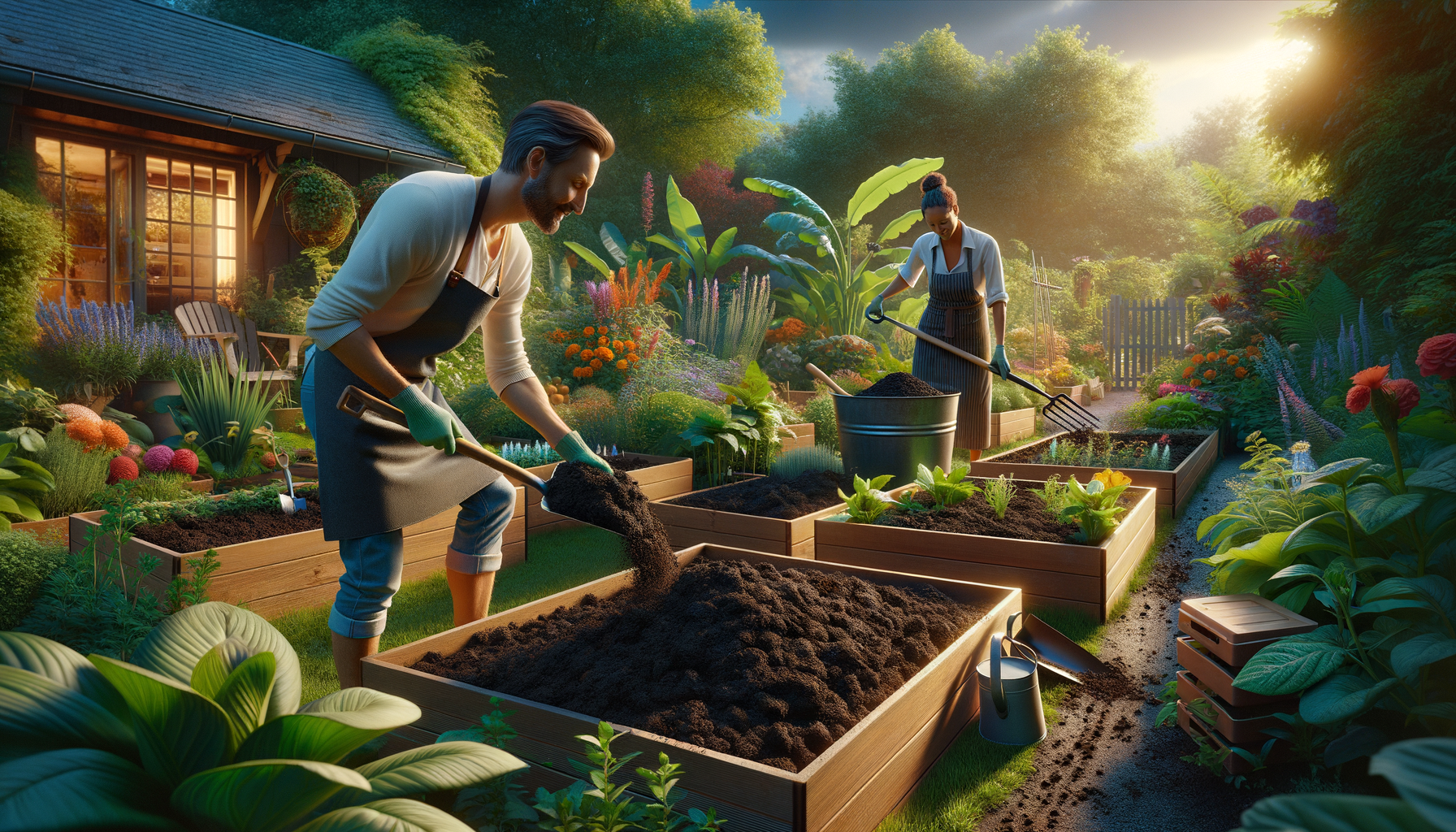
Once matured, incorporate leaf mold into your garden beds, potting mixes, or around trees and shrubs. It can be used as a top dressing or mixed into the soil to improve overall plant health.
“Using leaf mold can reduce your garden’s dependency on chemical fertilizers, promoting a more organic and eco-friendly environment.”
Final Thoughts
Leaf mold is a simple yet powerful tool for gardeners seeking to enhance their soil naturally. By repurposing fallen leaves, you contribute to a sustainable ecosystem while enjoying healthier, more resilient plants.