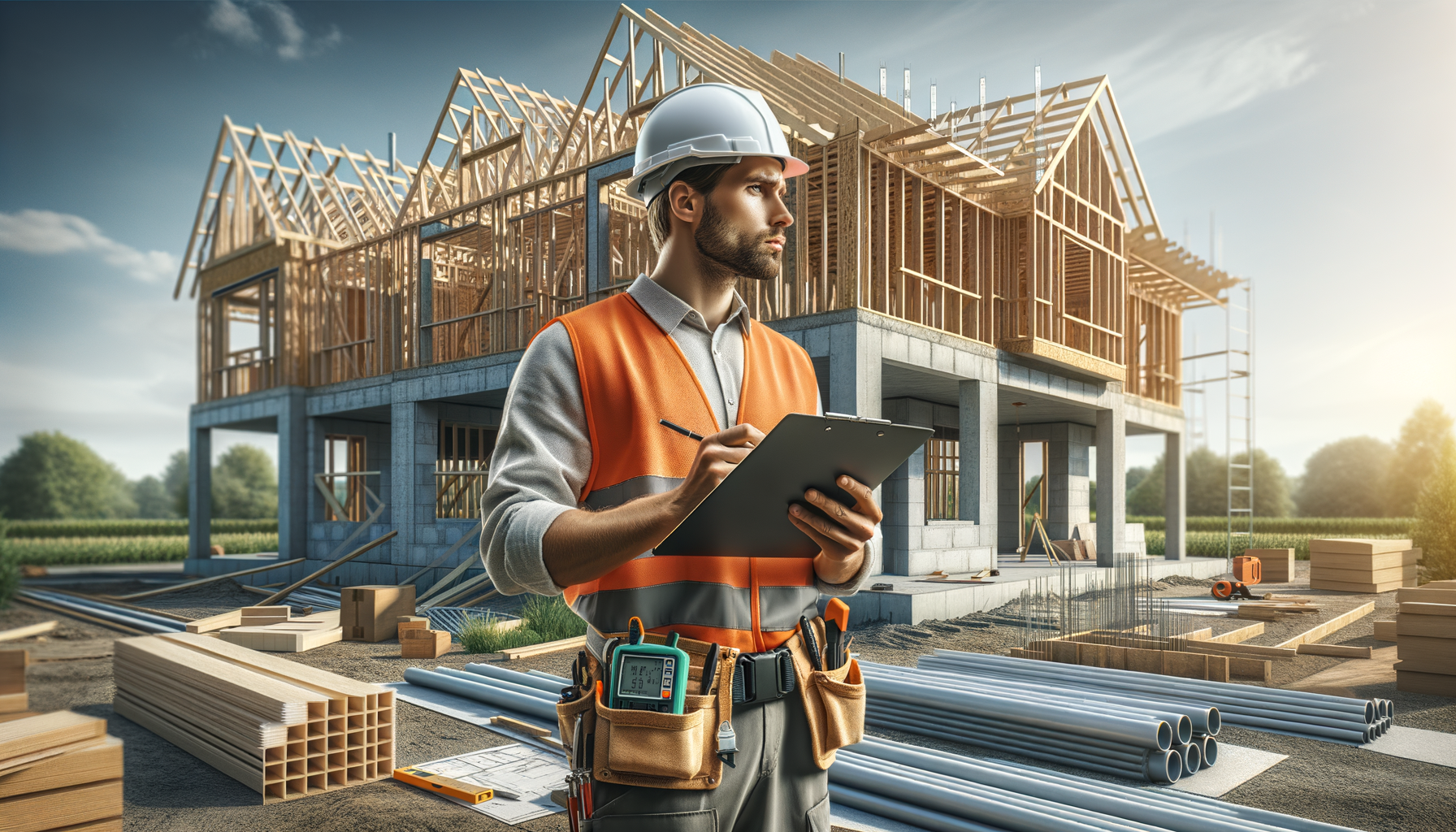
Understanding Phase Inspections in Construction
Phase inspections are critical checkpoints throughout the construction process, ensuring that each stage meets the required standards and regulations. These inspections are typically mandated by local building departments and are essential for maintaining the structural integrity and safety of a building project.
Why Phase Inspections Matter
Conducting phase inspections helps identify potential issues early, preventing costly corrections later. They ensure compliance with building codes and standards, promoting safety for future occupants.
Common Phases Requiring Inspections
- Foundation: Verifying that the base of the structure is properly laid out and secure.
- Framing: Ensuring the skeleton of the building is constructed correctly.
- Electrical and Plumbing: Checking installations before walls are closed up.
- Final Inspection: A comprehensive review of the completed building for overall compliance.
Benefits of Regular Phase Inspections
- Quality Assurance: Guarantees that each construction phase meets expected standards.
- Cost Efficiency: Reduces the likelihood of expensive repairs by addressing issues early.
- Regulatory Compliance: Ensures the project adheres to all local building codes and regulations.
- Safety: Protects workers and future occupants by maintaining high safety standards.
“Studies show that projects with regular phase inspections have a 30% lower incidence of major structural issues.”
Conclusion
Phase inspections play a pivotal role in the construction industry by ensuring that each step of the building process adheres to quality and safety standards. By incorporating these inspections into your project timeline, you can achieve a more efficient, cost-effective, and compliant construction process.