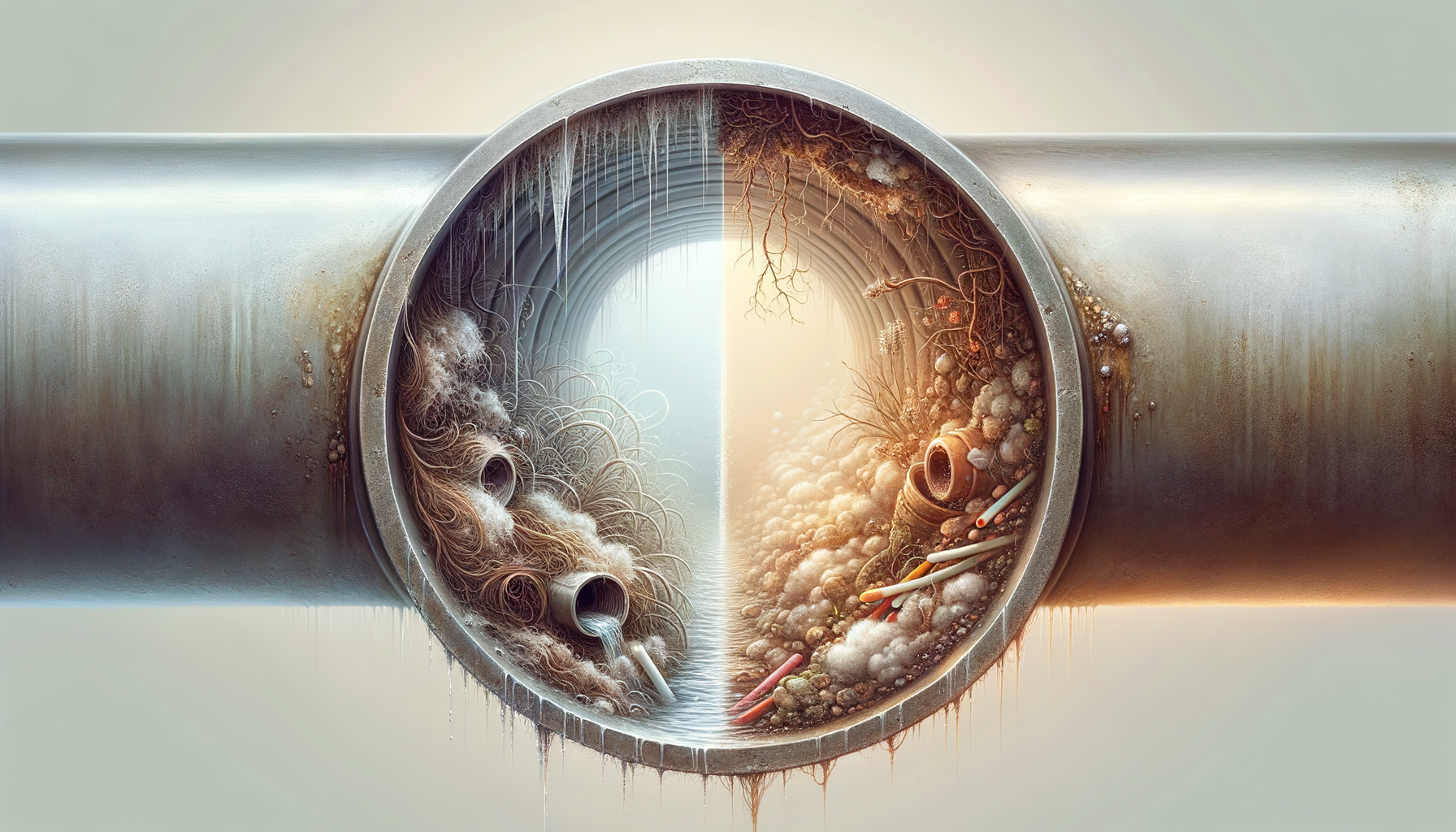
Understanding What Clogs Your Drains
Nothing stops your routine like a slow or backed-up drain. Identifying the root causes helps you prevent costly repairs and keep water flowing smoothly.
Common Culprits
- Hair & Fibers: Strands accumulate, intertwine with soap scum, and form stubborn blockages.
- Grease & Oils: They coat pipe walls, solidify as they cool, and narrow passageways over time.
- Foreign Objects: Small toys, dental floss, or cotton swabs can get lodged and halt flow.
- Mineral Buildup: Hard water deposits reduce pipe diameter and encourage clogs.
- Tree Roots: Seeking moisture, roots invade cracks and expand inside pipes.
“Over 50% of household clogs result from hair and grease buildup.”
Preventive Measures
- Install drain catches to trap hair or large debris.
- Dispose of cooking oils in sealed containers instead of pouring them down.
- Run hot water after each dishwasher or laundry cycle to flush residue.
- Use enzyme-based cleaners monthly for biological breakdown of organic matter.
Pro Tip
Gently snake your bathroom and kitchen drains every three months to remove early blockages.
When to Call a Professional
If homemade solutions fail or if you notice persistent backups and foul odors, reach out to a licensed plumber. They have specialized tools like hydro-jetting and camera inspections to tackle deep-seated issues.
Unresolved clogs can lead to:
- Pipe corrosion
- Water damage
- Mold growth
Final Thoughts
Understanding the science behind clogs empowers you to act before minor blockages become major headaches. Adopt simple habits, keep an eye on your pipes, and you’ll enjoy worry-free plumbing for years to come.